

Plaster
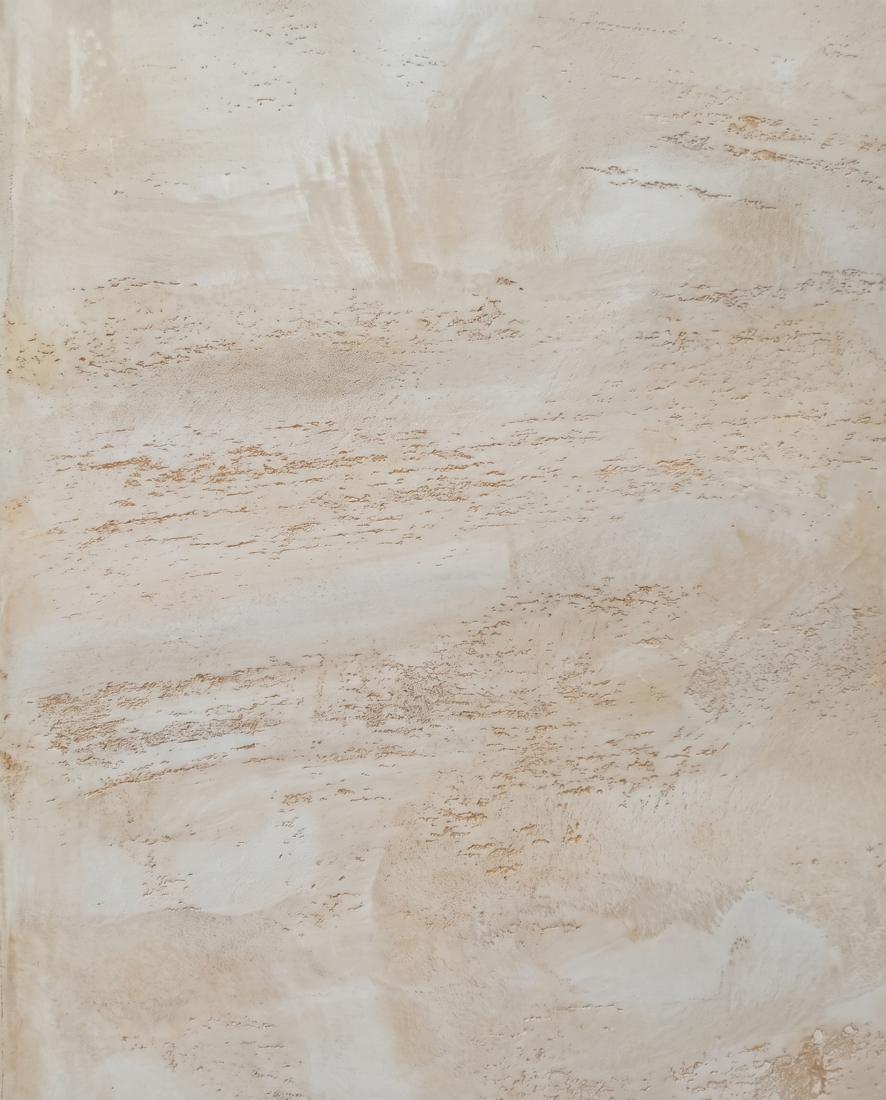
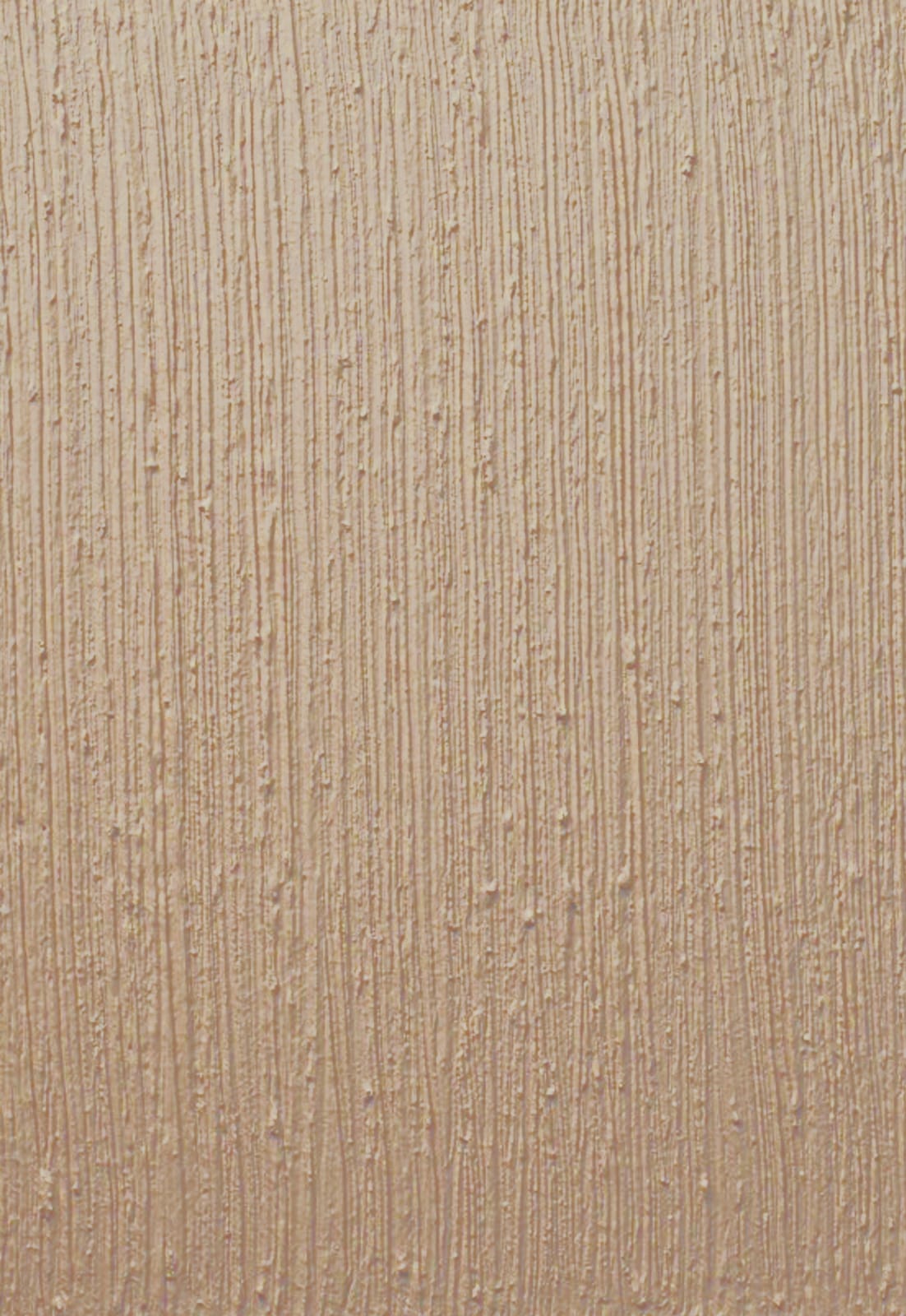
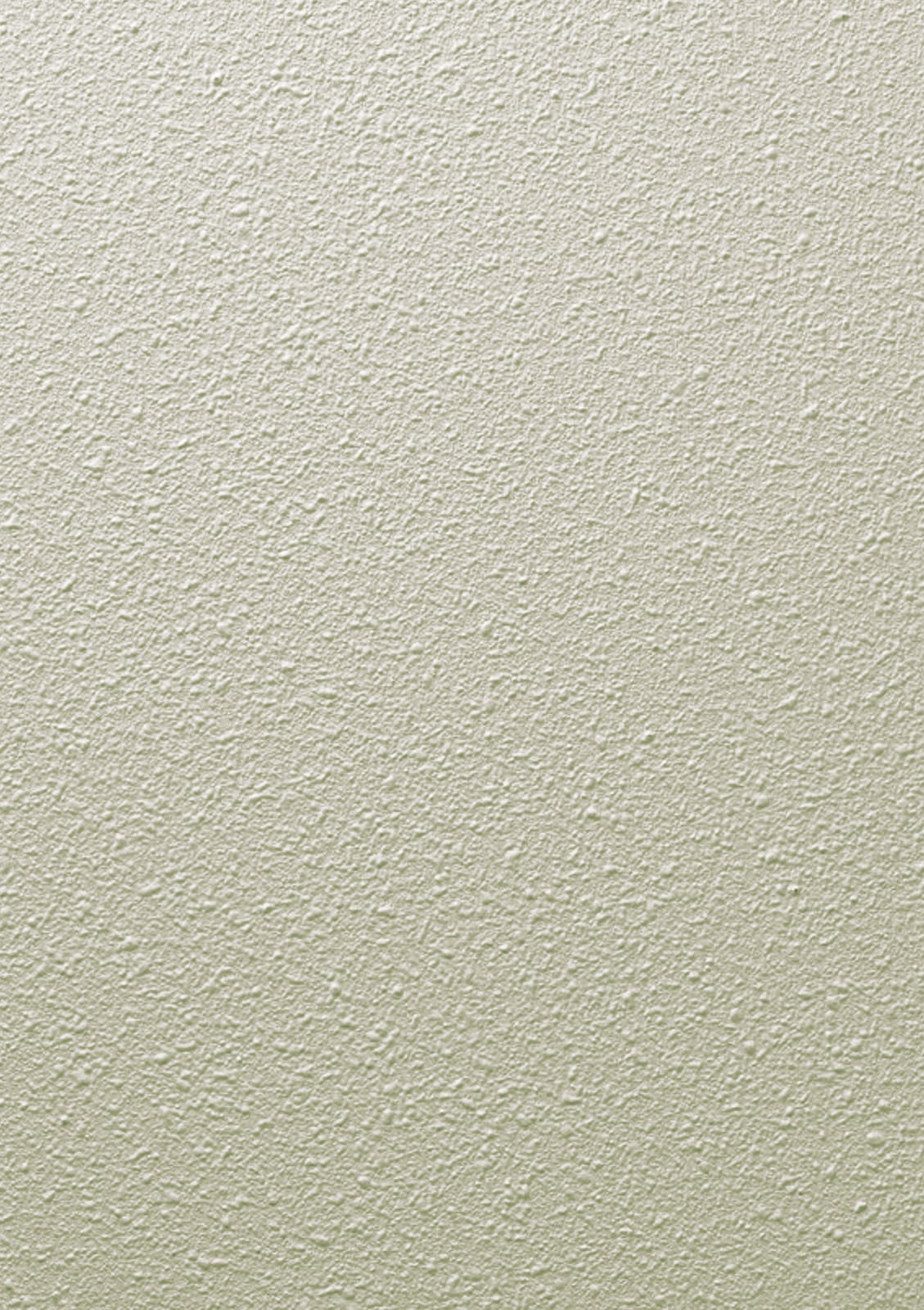
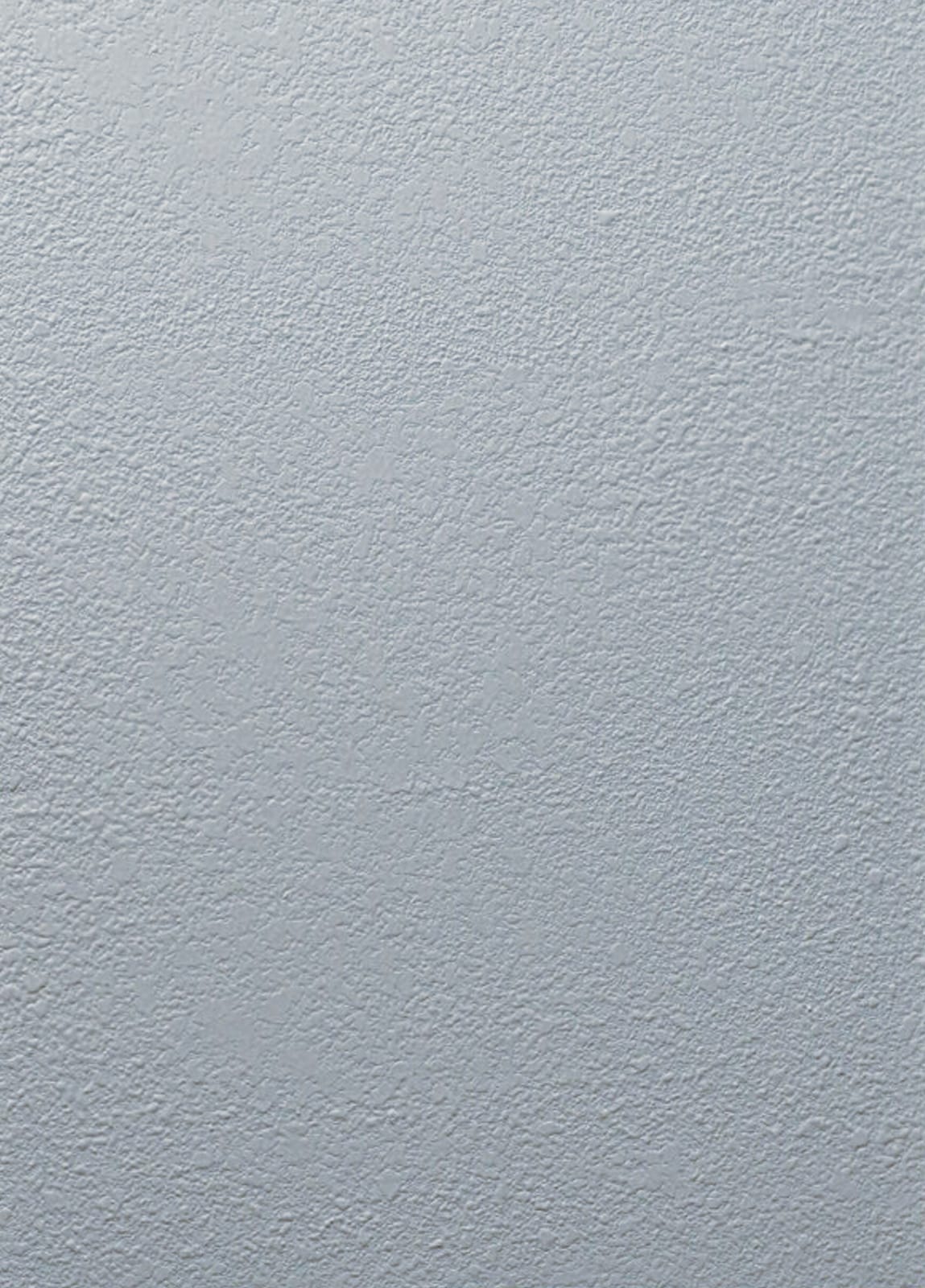
Four plaster bases.
Smooth, Clay, Texture (Small) and Texture (Large). Choose a base first. Most can then be laid as a texture or mixed with an aggregate.

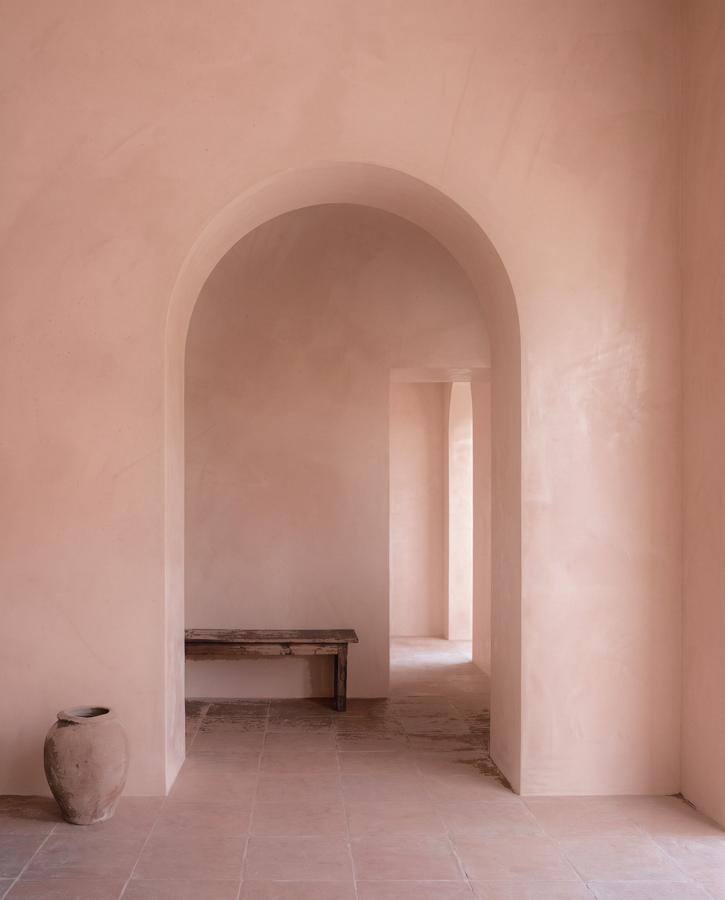
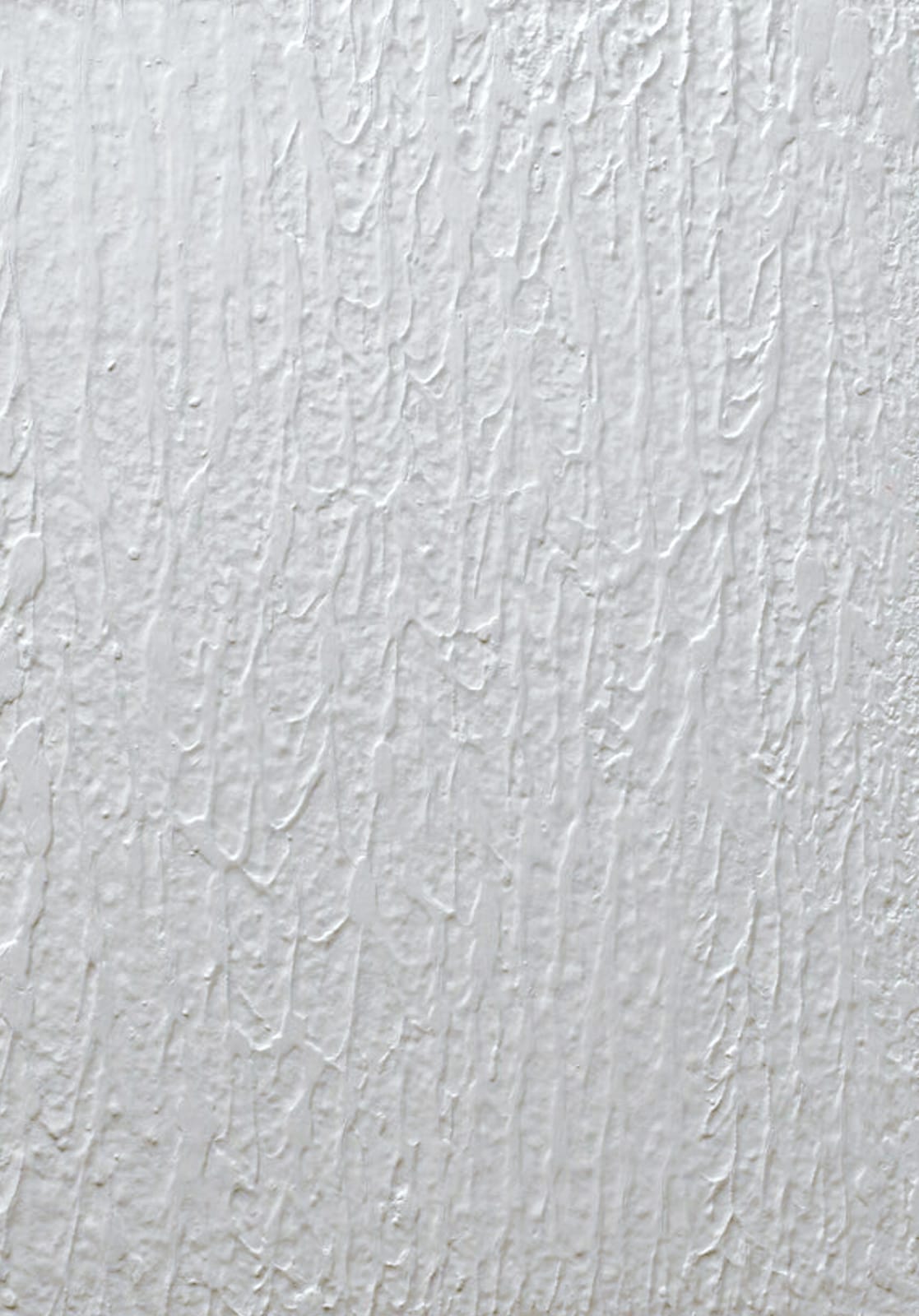
Smooth
Burnished plaster. A deep, cool sheen that moves with the light.
- Finish
- High sheen, polished
- Tool
- Steel trowel, burnished
- Use
- Interior walls, feature surfaces
+ TexturesTravertine
+ AggregatesOyster Shells, Vermiculite
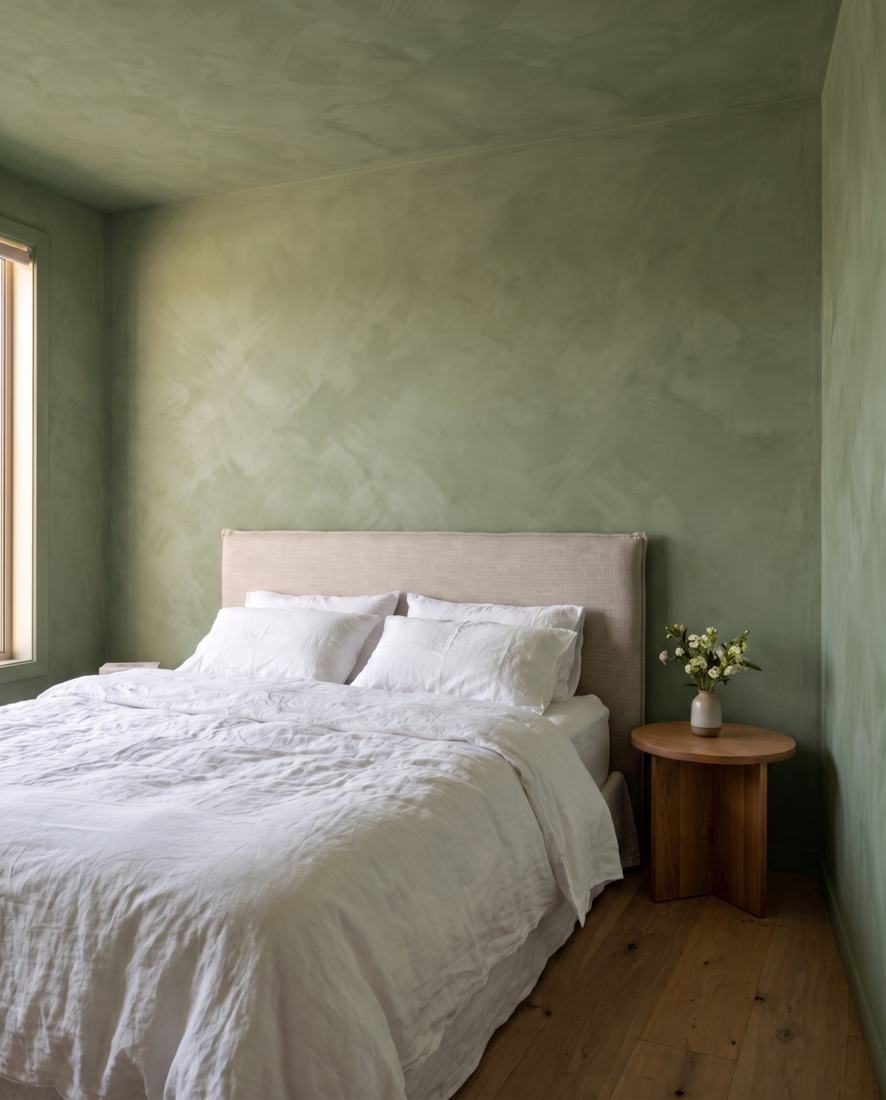
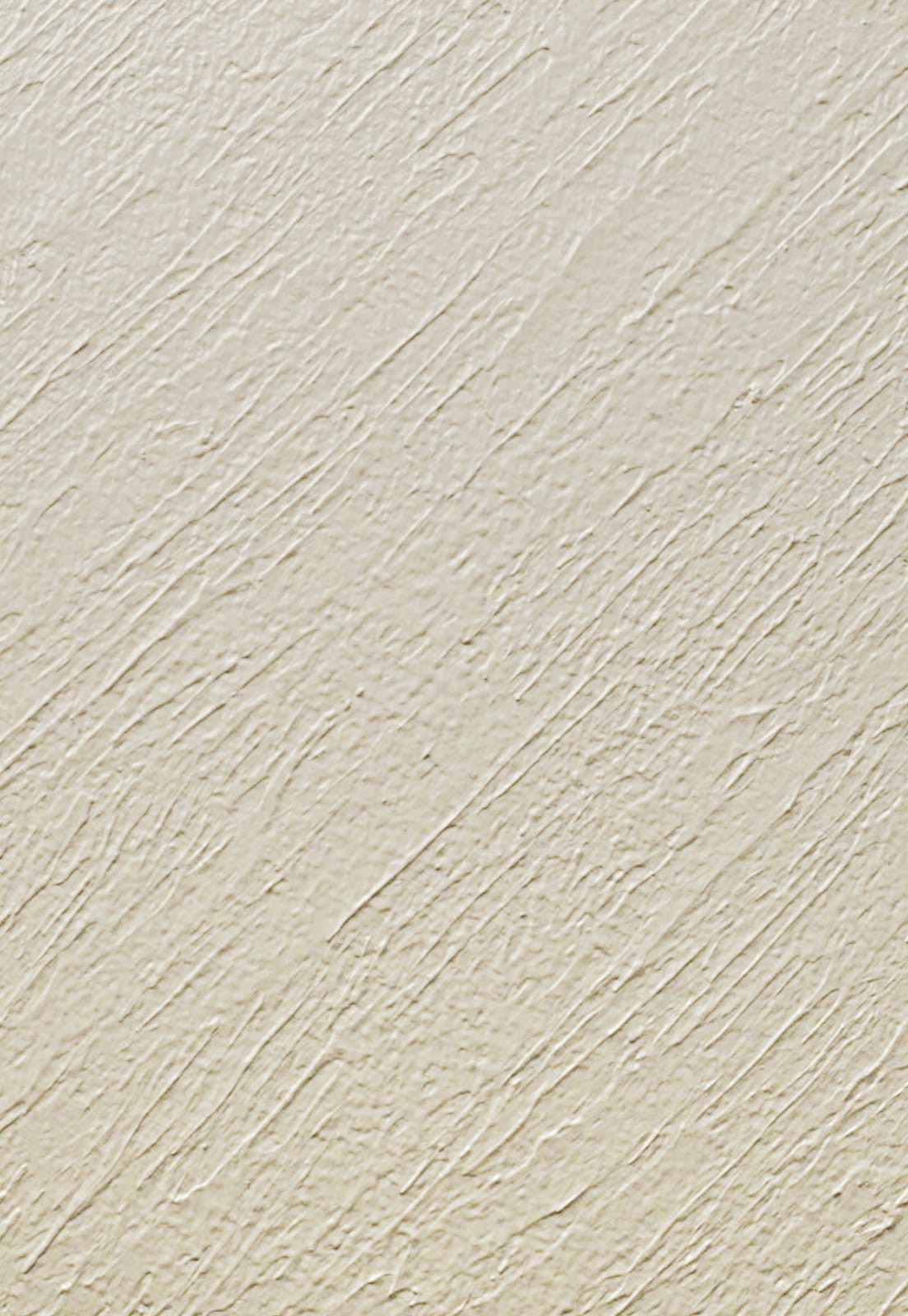
Clay
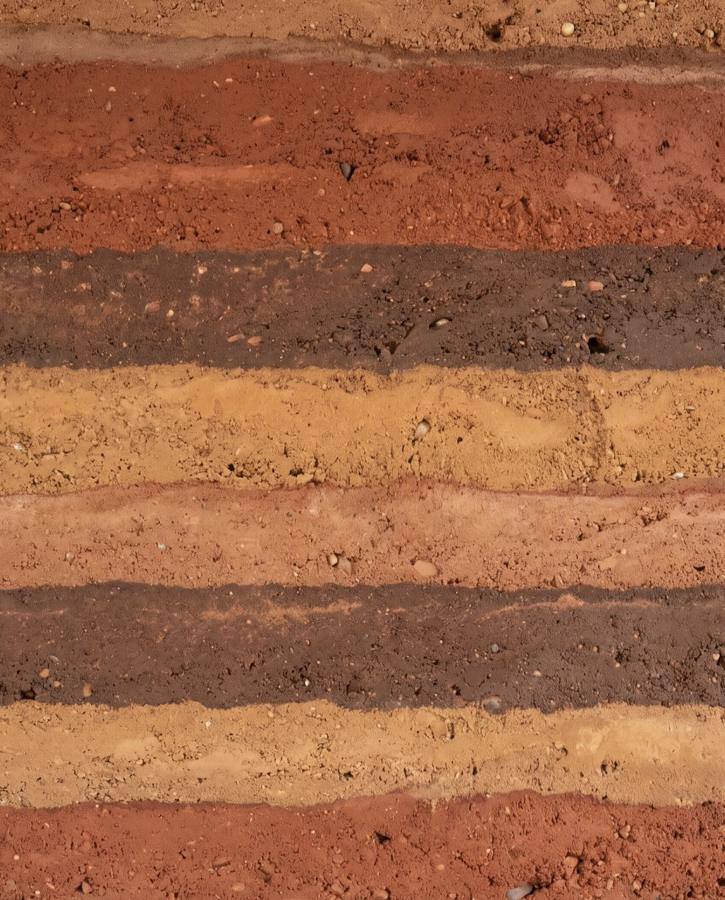
Clay and lime plaster. A soft, clouded matt, warm and earthy.
- Finish
- Matt, clouded
- Tool
- Trowel, open texture
- Use
- Lobbies, restaurants, retail
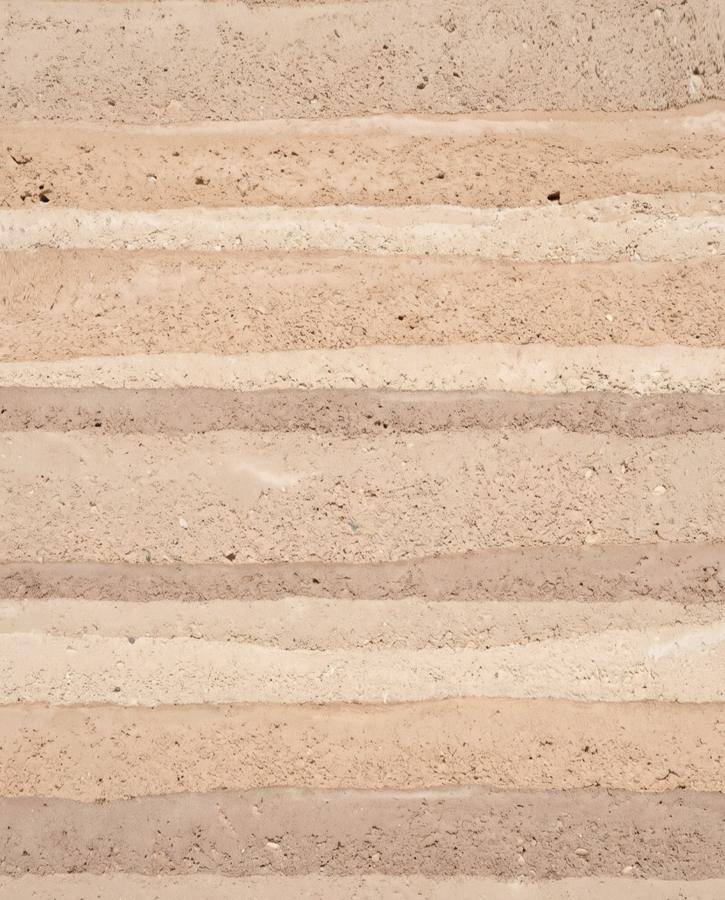
+ TexturesRammed Earth, Raw, Swirl
+ AggregatesOyster Shells, River Pebbles, Vermiculite, Wheat
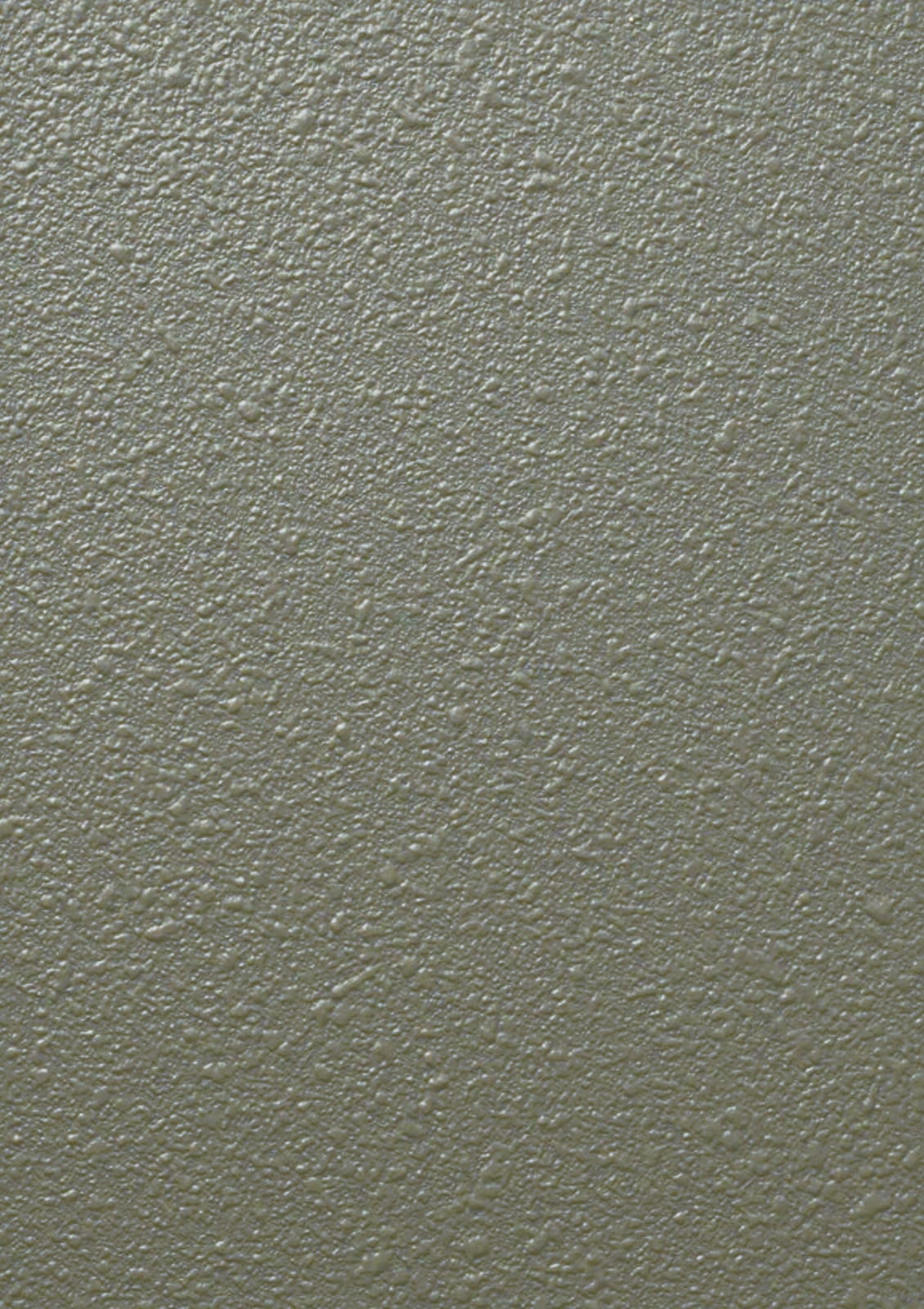
Texture (Small)
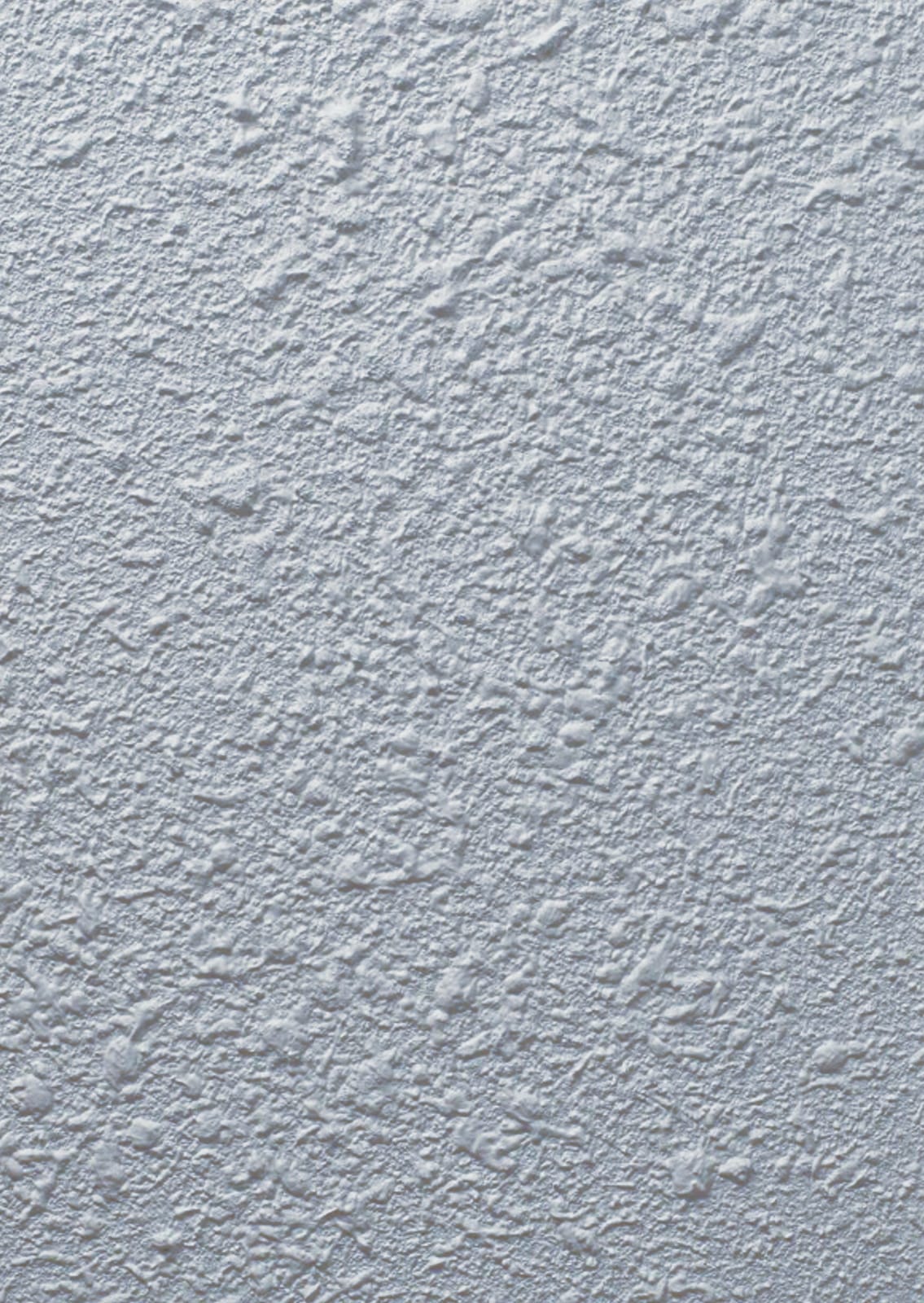
Fine, sandy mineral plaster. A soft texture that wraps ceilings, vaults and curves.
- Finish
- Matt, fine granular
- Build
- About 2 mm
- Use
- Walls, ceilings, curved surfaces
+ AggregatesOyster Shells, Vermiculite
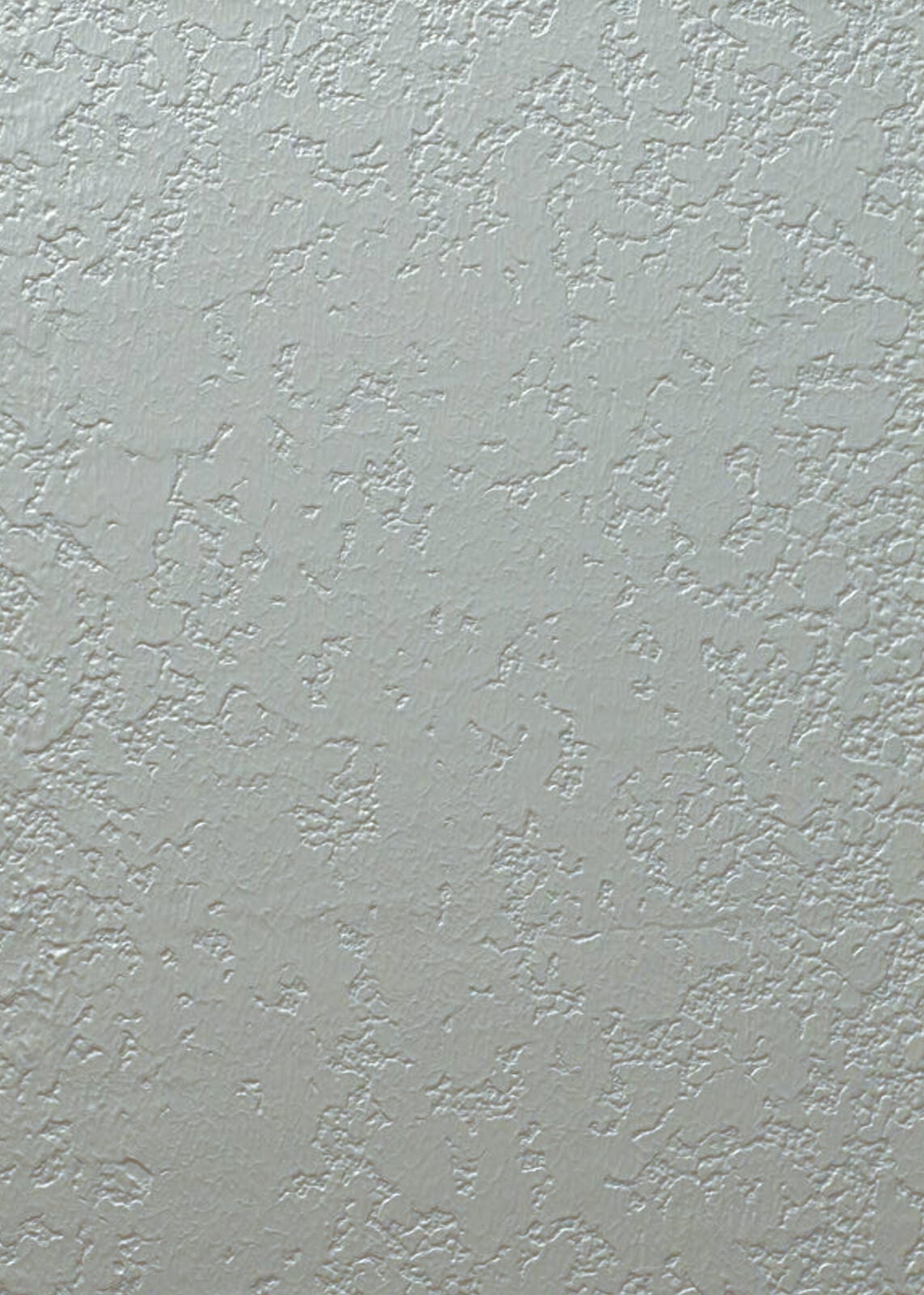
Texture (Large)
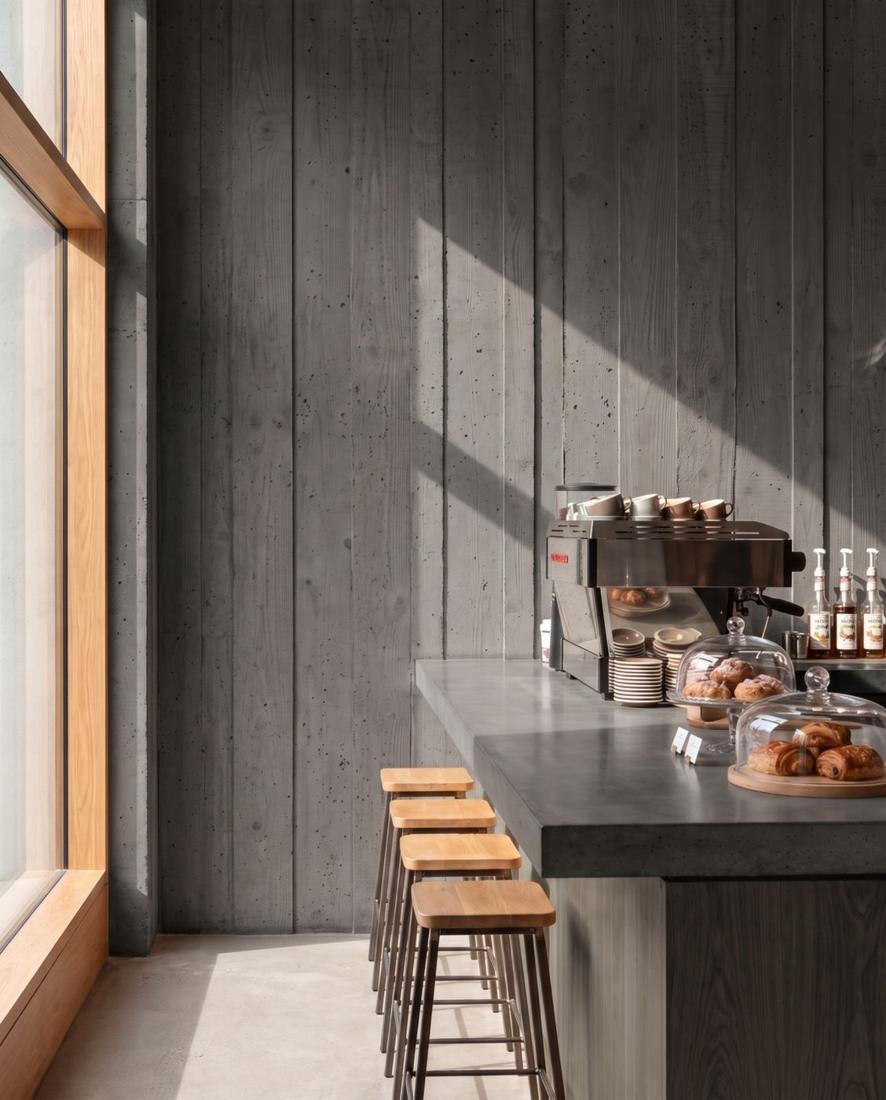
Coarse, open mineral plaster with deep relief. Feature walls, entrances and covered exteriors.
- Finish
- Matt, coarse granular
- Build
- 4–6 mm
- Use
- Interior and covered exterior
+ TexturesSplash
+ AggregatesOyster Shells, River Pebbles, Vermiculite
Find your surface · 1 / 3
How should the wall look?
How a wall is made
Every pass leaves a trace.
No two Kret walls are identical. The crew builds each one in thin layers, and the marks of the trowel become the finish.
Prime the wall
Fill, sand and prime so the plaster bonds evenly.
First pass
A thin coat trowelled tight to set the colour.
Second pass
Short crossing strokes build the cloud.
Finish
Steel-trowel pressure brings up the sheen.