








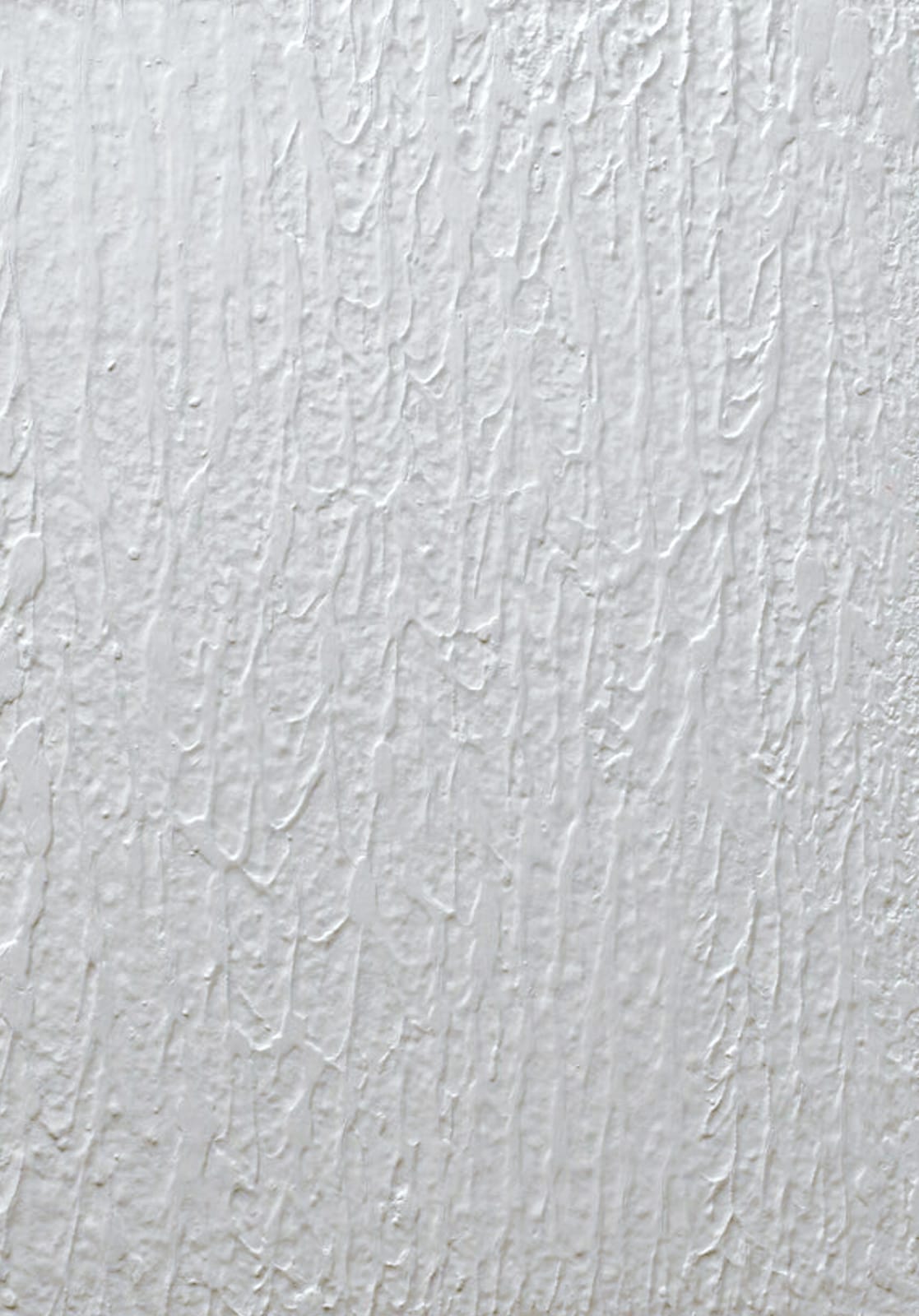

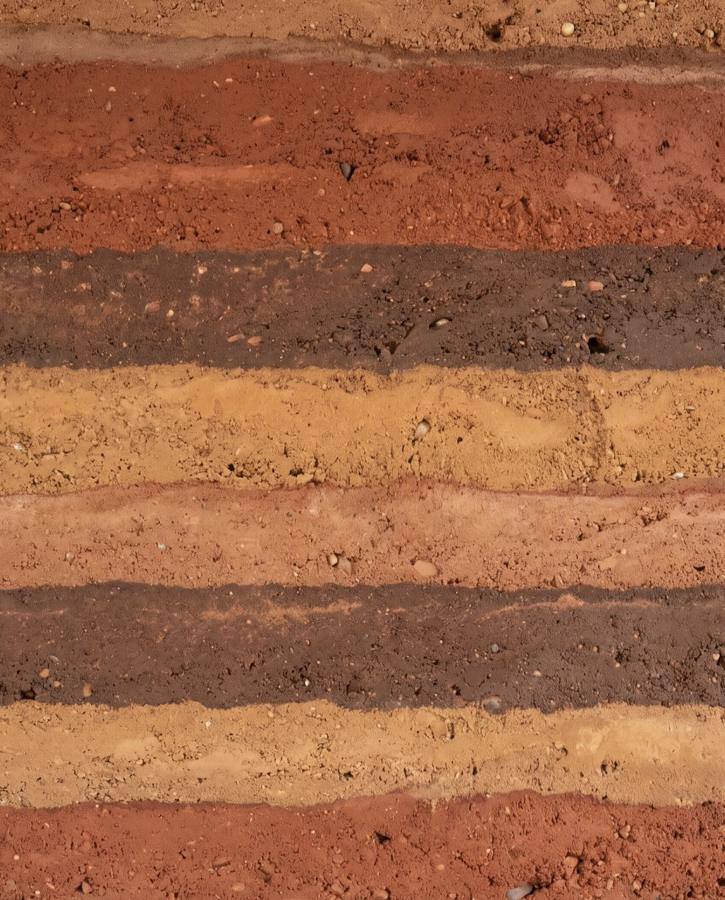
Microcement vs tile: which should you choose?
Each wins on different terms. The right answer depends on what is on the wall now and how the room is used.
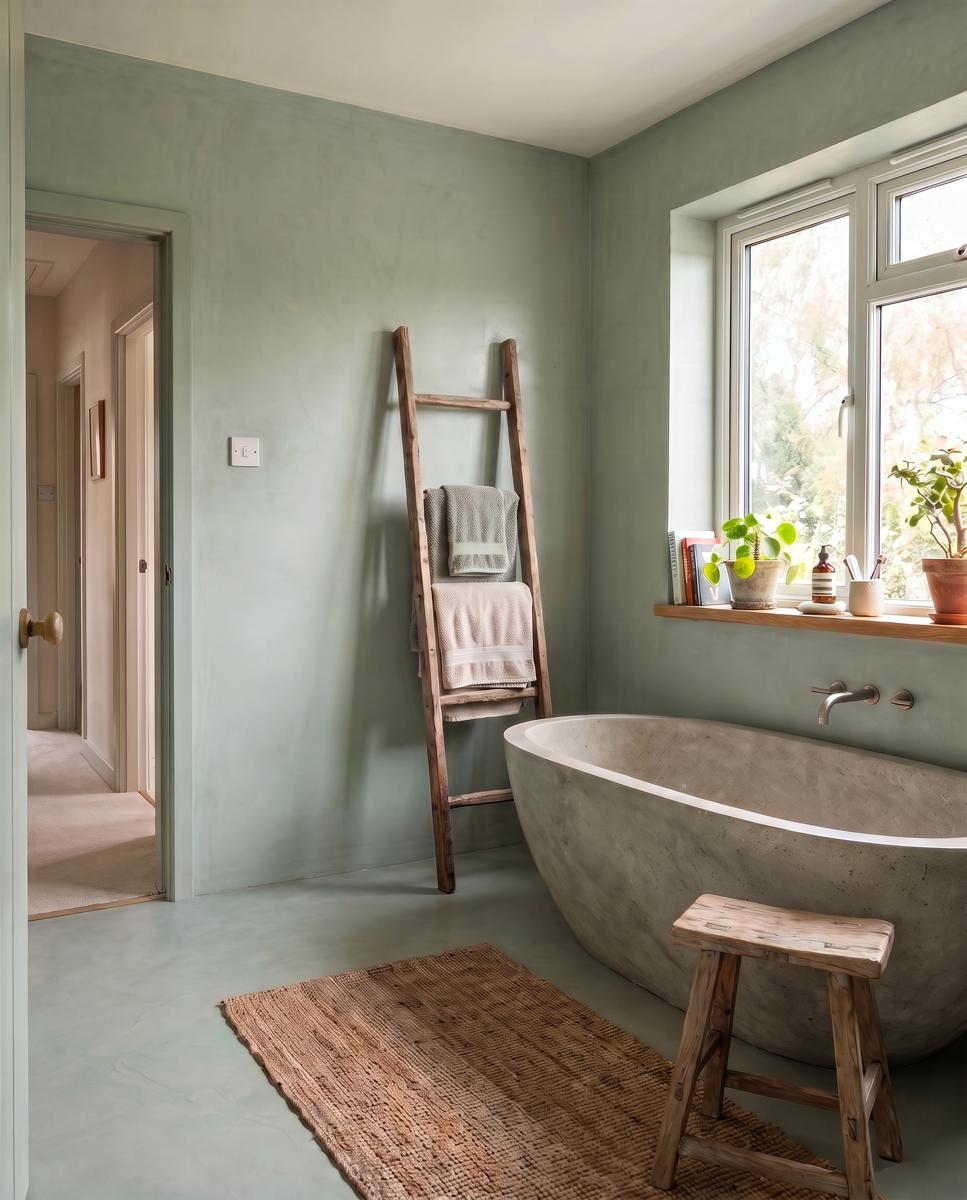
Choose microcement for a surface with no joints, especially when renovating over existing tile without demolition. Choose tile when budget and easy repair matter most. Microcement needs a sound surface underneath and skilled application, while tile tolerates more and can be replaced piece by piece.
Side by side
| Microcement | Tile | |
|---|---|---|
| Joints | None | Grout lines |
| Thickness | 2–3 mm1 | About 8–12 mm2 |
| Over existing tile | Yes, with preparation | Usually means demolition |
| Installed cost | Usually higher3 | Usually lower3 |
| Time on a bathroom | Often 5–7 working days4 | Often 2–4 weeks for a strip-out and retile4 |
| Repair | Hard to blend. Often a recoat1 | Replace one tile3 |
| Upkeep | pH-neutral cleaner, sealer renewed over time15 | Grout needs cleaning |
| Look | Hand-laid, each surface differs | Regular, with a very wide choice |
Where microcement wins
With no joints, there is no grout to clean and floors run on without a visual break. A wall, floor and shower can share one colour, which makes small rooms feel larger.4
It is also thin. At 2–3 mm it barely changes floor levels, so doors and thresholds often stay as they are. That matters in a condo or a working hotel, where demolition is slow, loud and disruptive.
Where tile wins
Tile usually costs less to install, and a cracked tile can be swapped on its own.3 Microcement is hard to patch without a visible mark, so a large repair can mean recoating the whole surface.1
Tile also asks less of the surface below. If the base moves or cracks, those cracks can come through microcement.5 For a very busy commercial kitchen or a rough site, tile is often the calmer choice.
Room by room
| Room | Better choice | Why |
|---|---|---|
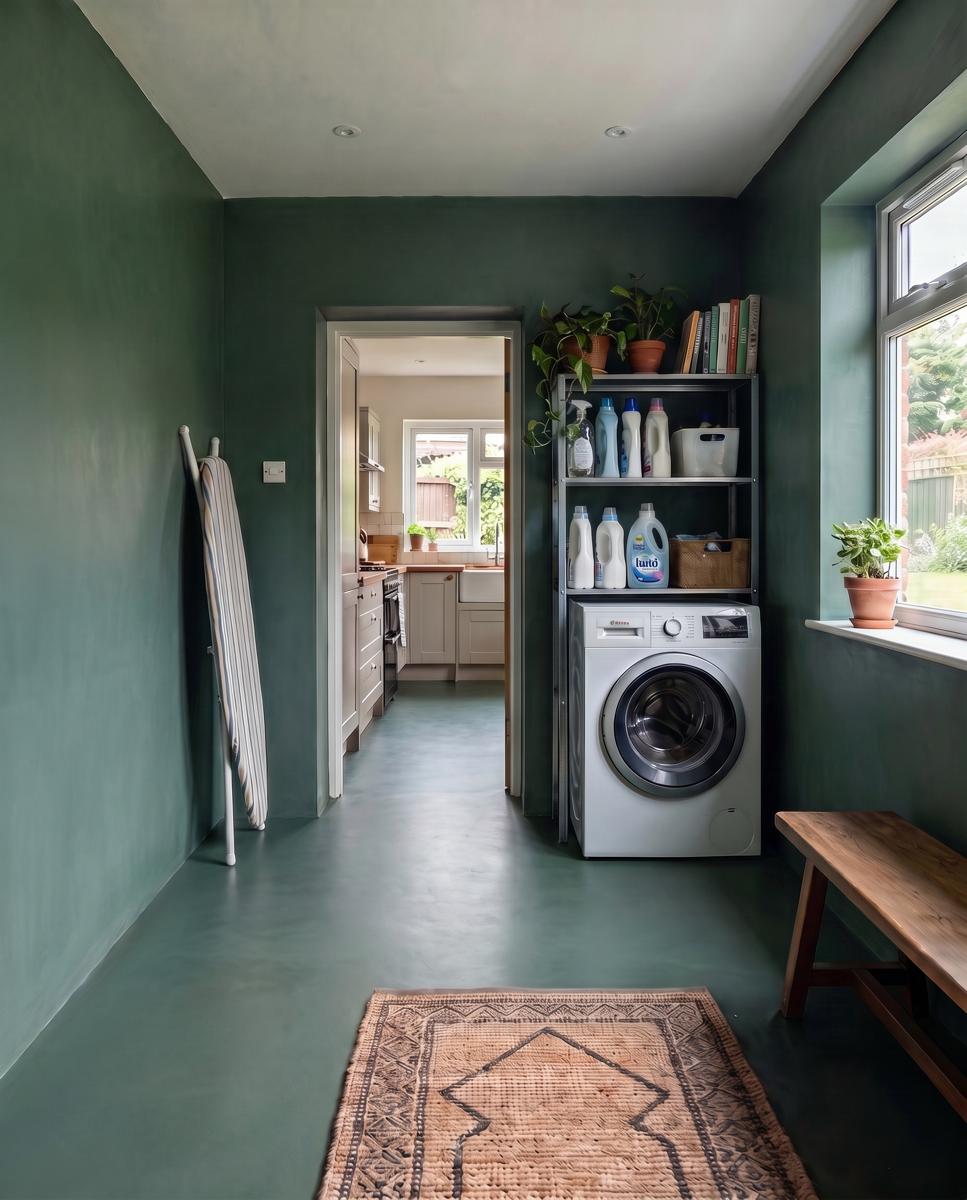
| Living room floor | Microcement | Runs across the room with no grout lines |
| Bathroom walls and floor | Either | Microcement for the look, tile for the budget |
| Shower floor | Tile, or microcement with care | Tile is more forgiving. Microcement needs careful falls and waterproofing |
| Home kitchen floor | Either | Protect microcement from grit and dragged furniture |
| Commercial kitchen | Tile | Heavy cleaning, grease and impact |
| Balcony or terrace | Tile | Microcement is generally not considered suitable outdoors6 |
| Stairs | Microcement | No nosing strips, but check slip data |
Cost over time
Installed price is only the first number. Microcement needs its sealer renewed, and guidance for busy areas is every 2–5 years.47 Tile needs less attention, although grout stains and joints may need work. A broken tile is cheap to fix if you kept a spare. HomePro suggests allowing around 10% extra tile when ordering.8 A spare is the kind of thing you only appreciate later, because a discontinued tile is hard to match.
Going over old tile
This is the main reason people choose microcement, and also where cheap jobs fail. It is possible, but the old tile has to be solid. If tiles are loose or the waterproofing behind them is unreliable, the new surface inherits the problem.910
Before committing, tap the tiles and listen for hollow sounds, check for damp, and fix anything loose. If much of the floor is hollow, take it up.
How to check a tiled floor in Thailand
Old floors here often fail in a predictable way. Tiles lift or “pop” when adhesive does not cover the whole tile, when joints are too tight for heat movement, or when moisture collects beneath.8 Those same floors are poor bases for microcement.
- Tap with a coin or screwdriver handle. A solid tile sounds tight, and a hollow one sounds empty.11
- Roll a marble across the floor. If it runs, the floor is not level.11
- Check ground floors for moisture coming up through the slab.8
- Look for tiles that rock, or joints that have opened up.
A few hollow tiles can be fixed locally. Widespread damage means taking the tile and old adhesive up, as HomePro advises.8 At that point, compare a new tile floor with microcement on a new screed, because the saving from avoiding demolition has gone.
How to decide
- Choose microcement if you want one continuous surface, the existing base is sound, and you can use a trained crew.
- Choose tile if budget leads, the base moves, or you want the option to replace one piece later.
- Use both if it suits the room: tile in the hardest-working zones and microcement where the surface shows most.
How each feels in daily use
Both are hard and cool underfoot. Grout lines give bare feet and eyes something to follow, while microcement reads as one calm plane. Tile shrugs off a dropped pan, though a chipped tile stays chipped until replaced. Microcement can chip from a heavy impact and needs a professional repair.7 Daily cleaning is simpler on microcement, because there are no joints to scrub, as long as you use a neutral cleaner.1
Questions
Does microcement crack?
It can. It handles minor movement, but cracks in the base can come through to the surface.5 Preparation decides most of this.
How long does microcement last?
UK specialists quoted by Homebuilding & Renovating give anywhere from 5 to more than 10 years for bathrooms, depending on application quality.1
Can microcement go over floor tiles?
Yes, if the tiles are firmly bonded. Grout lines are filled first so they do not show through.
Is microcement slippery?
It depends on the finish. Smooth sealed surfaces can be slippery when wet, so ask for slip data for the exact finish.
Is microcement more hygienic than tile?
It has no grout lines for dirt to collect in, so it can be easier to keep clean, as long as the sealer is maintained.1
Can I mix microcement and tile in one room?
Yes. Plan the junction carefully, especially in wet areas, so water cannot get in at the join.1
Sources
- Homebuilding & Renovating: Microcement bathrooms
- Duraamen: Microcement flooring cost and comparison (2026)
- Studio Matrx: Microcement vs tile
- ELF Decor: Microcement bathrooms in Melbourne
- Qanvast: What Is Microcement? A Complete Guide for Singapore Homeowners (2026)
- Homebuilding & Renovating: Microcement flooring
- Flooring Clarity: Microcement flooring pros and cons
- HomePro: Why floor tiles lift and pop (Thai)
- Marius Aurenti: Waxed concrete over bathroom tiles
- Onions Australia: Rethinking the trendy bathroom renovation
- HomePro: How to check tiling work (Thai)
Hold microcement before you specify it.
Hand-made samples in your colours, delivered to your studio. For larger projects we trowel a full-size panel on site.
Order a sampleMore from the journal
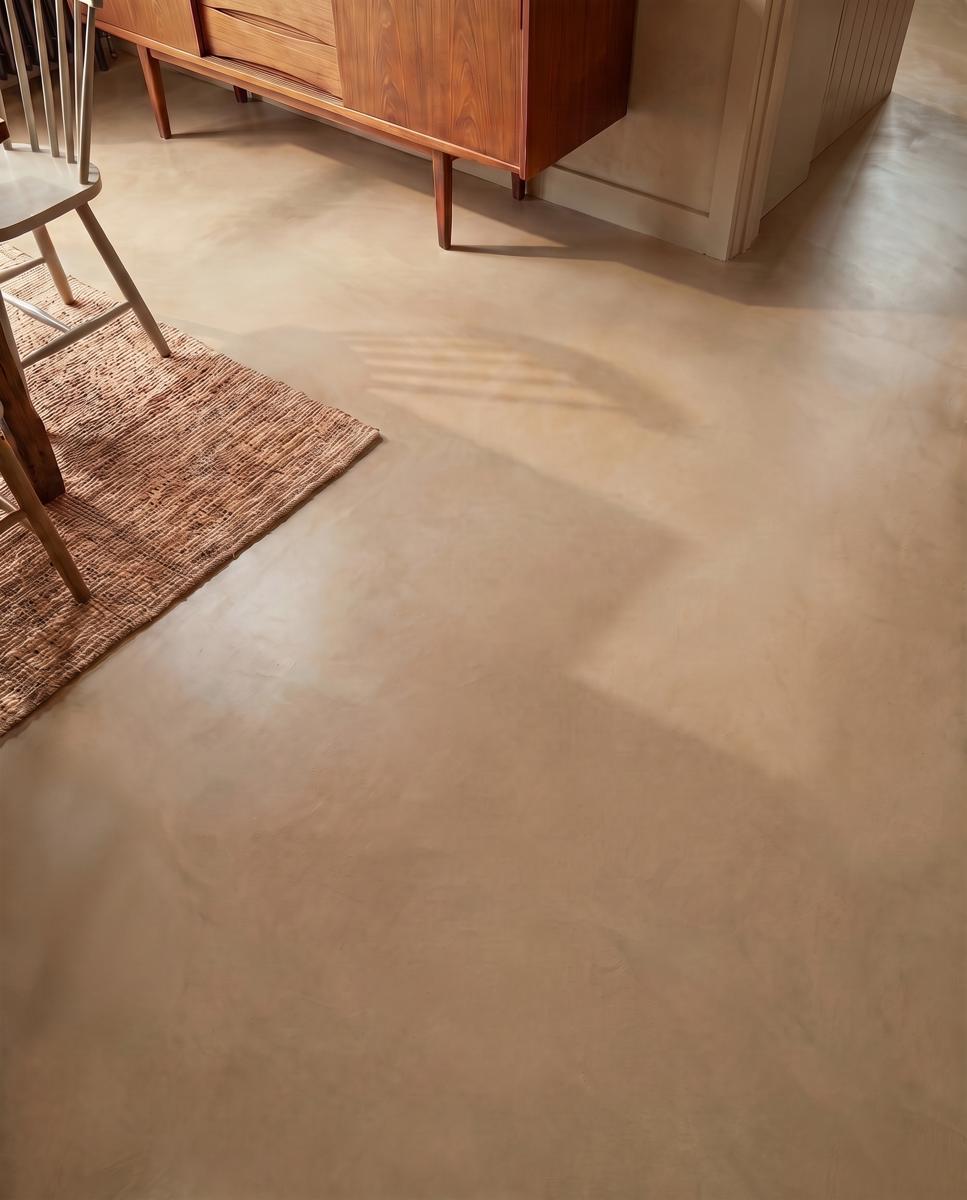
How much does microcement cost in Thailand?
The price is set by the room as much as the material. Here is what moves it, and what to check in a quote.
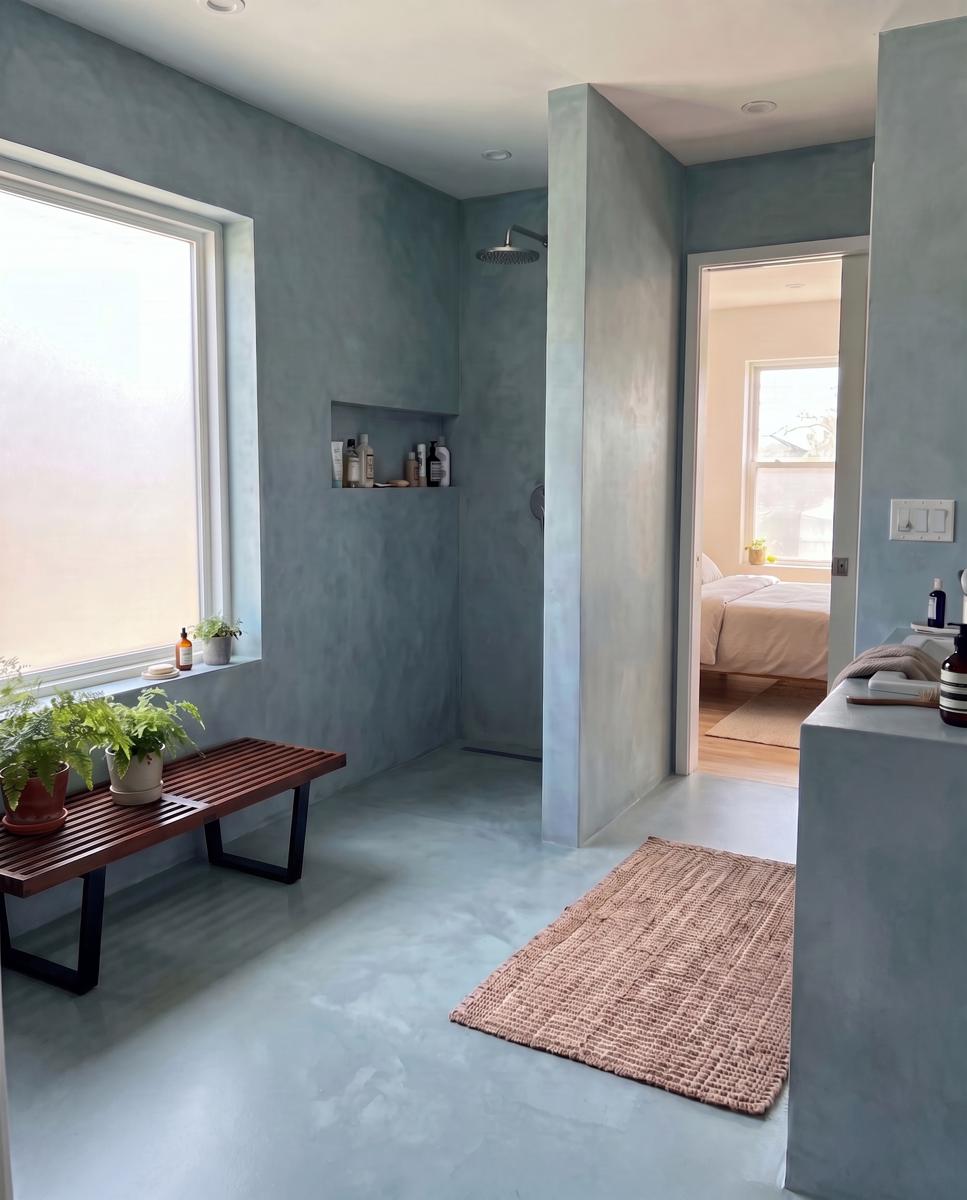
Can microcement go in a shower?
Yes, as part of a system. The microcement is the finish you see, and the waterproofing beneath it does the protecting.

What is microcement?
A thin, hand-trowelled coating that turns walls, floors and showers into one continuous surface.