






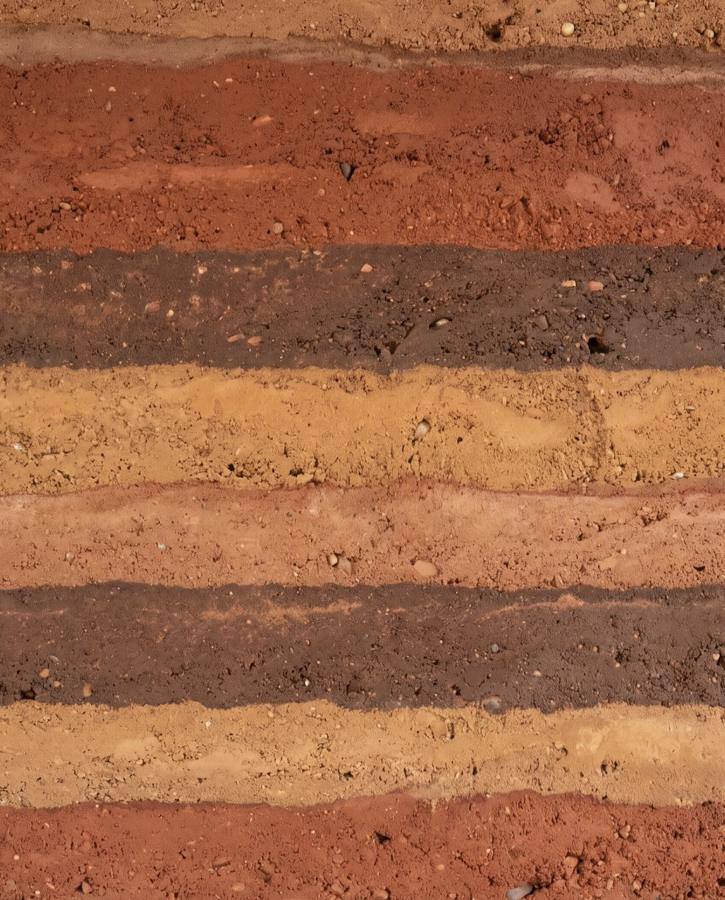
What is microcement?
A thin, hand-trowelled coating that turns walls, floors and showers into one continuous surface.

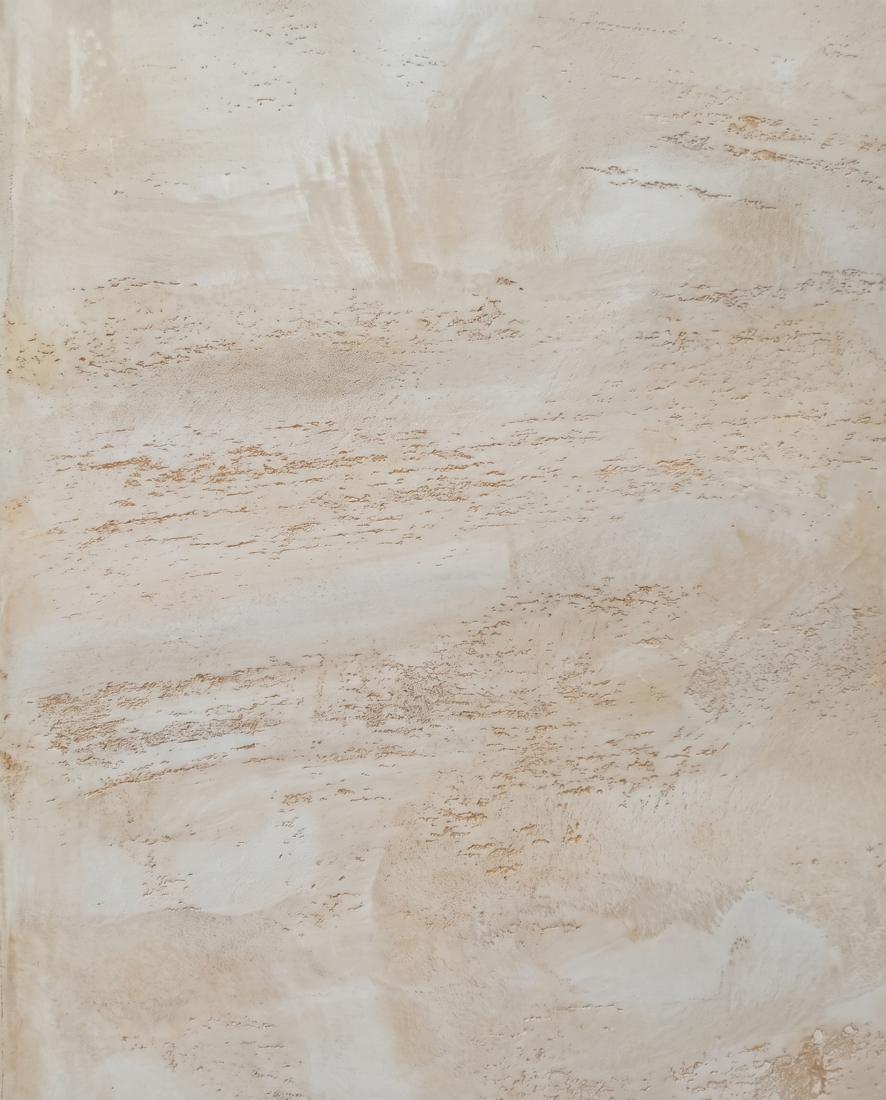
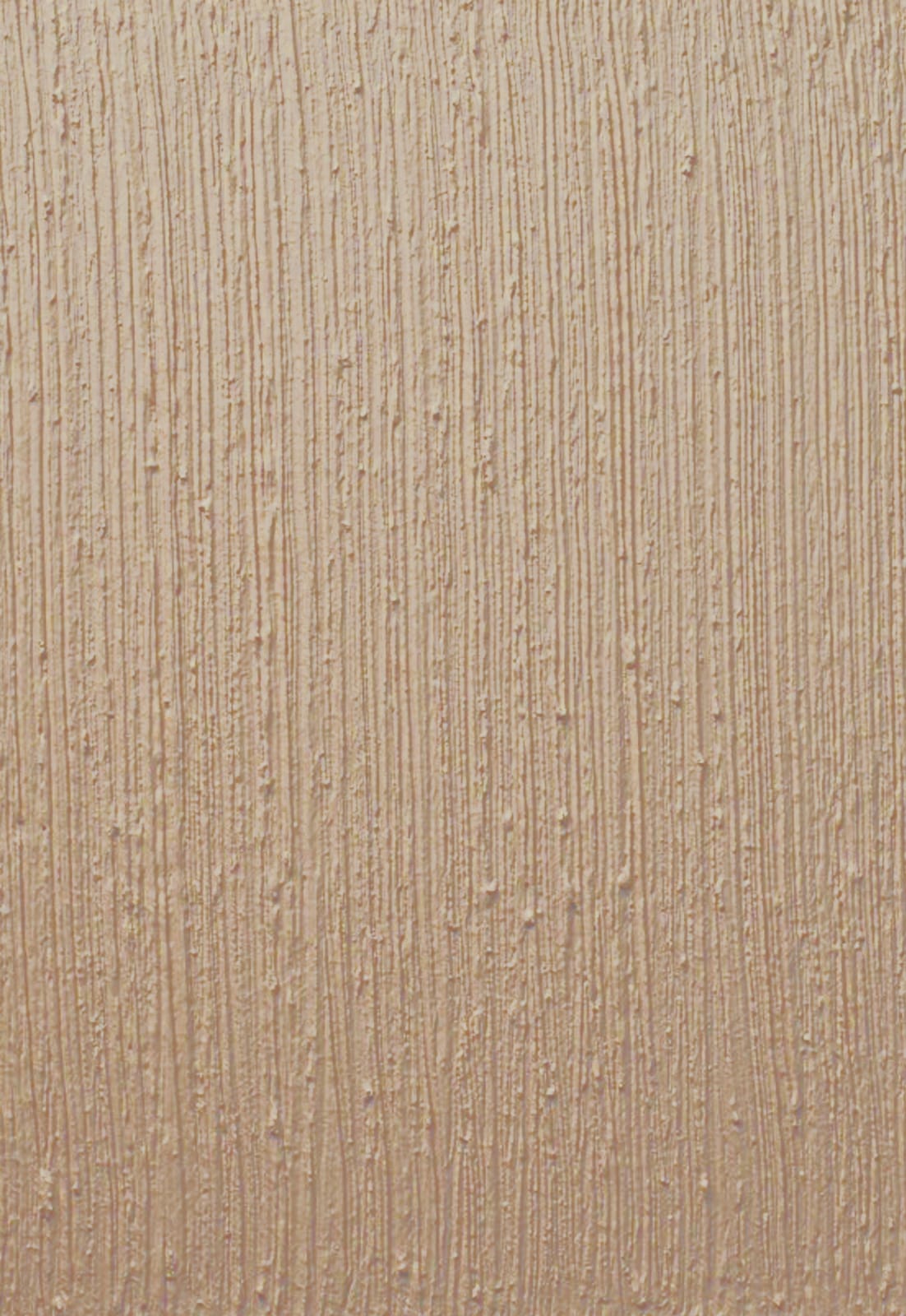
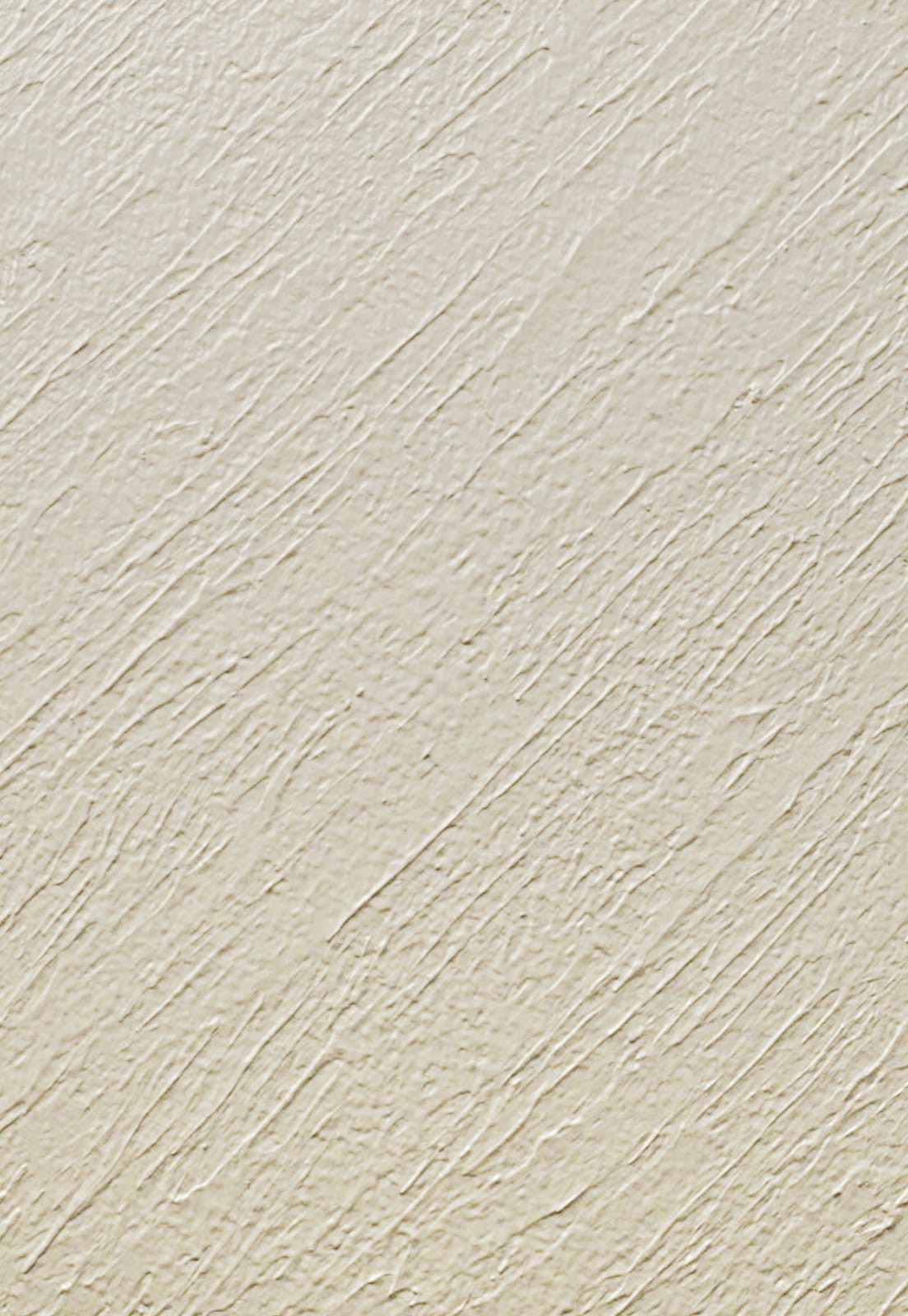
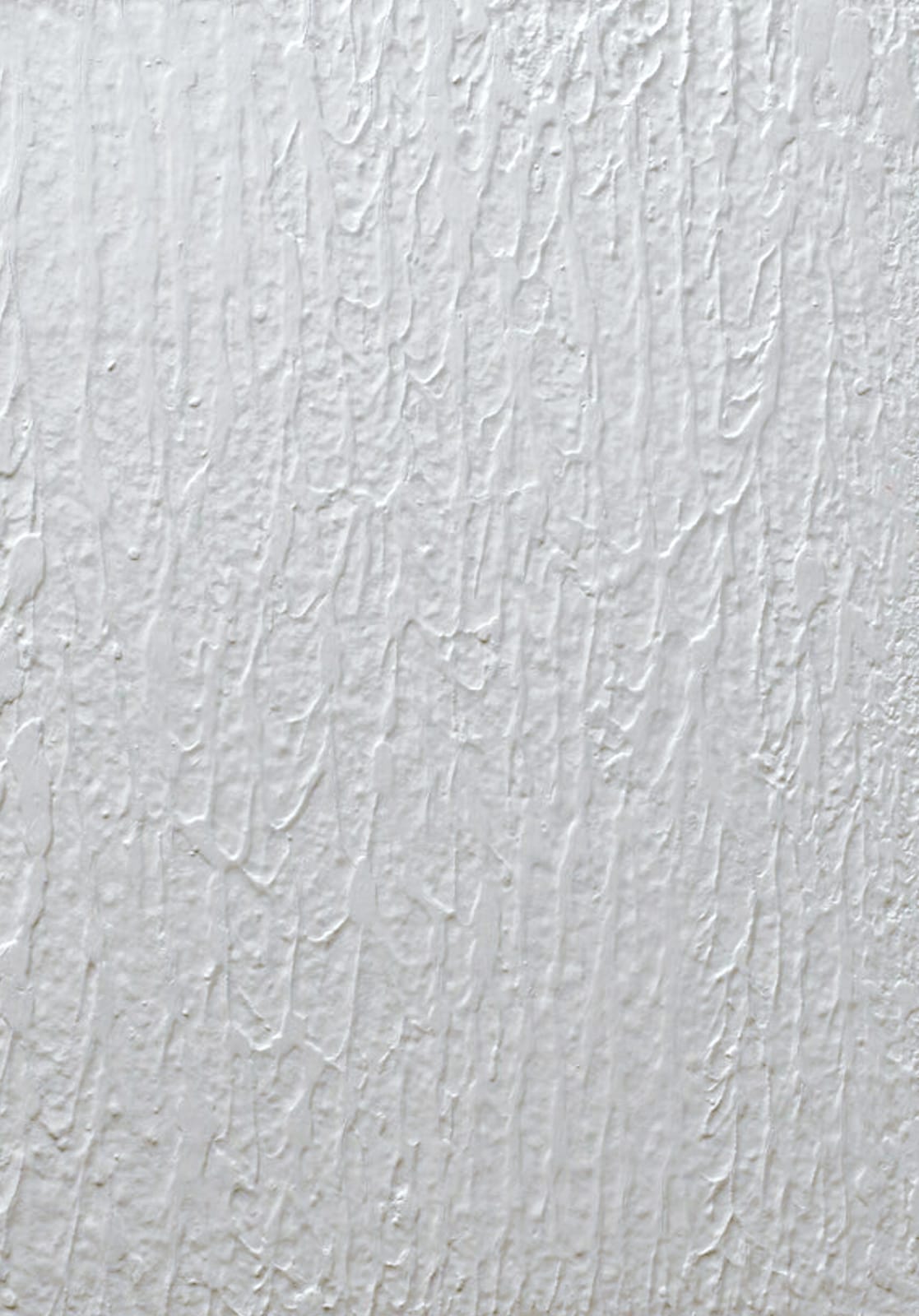
Microcement is a cement-based decorative coating, about 2–3 mm thick, trowelled by hand over an existing surface and then sealed. It has no joints, so walls, floors and wet rooms can run together as one surface.
What it is made of
Microcement is a blend of cement, resins, additives and pigment.1 It goes on in thin layers, is smoothed by hand and finishes with a sealer. At Kret, that sealer is polyurethane, in matt or satin.
Other names you may see
Microcement is also called microconcrete or microbeton, and in Thailand it is often confused with polished cement. It grew out of industrial flooring in Spain in the late twentieth century, before designers took it into homes.1 The names vary, but the idea is the same: a thin decorative cement coating applied by hand.
Where it works
- Walls and floors, including stairs and counters.
- Bathrooms and wet rooms, on proper waterproofing. See Can microcement go in a shower?
- Renovations, because it goes over sound tile or screed with no demolition.
Where to be careful
It needs a stable base. It is sensitive to movement in what lies beneath, so a poor base shows through.2 It is also generally not considered suitable for outdoor use.3
How it is applied
The steps vary by product, but a typical system over old tile follows this order. Over screed or plaster, some steps fall away.4
| Step | What happens | Why it matters |
|---|---|---|
| 1. Check | Repair damaged or loose areas | Microcement will not hide defects |
| 2. Clean | Remove grease and dust | Dirt breaks the bond |
| 3. Fill joints | Level grout lines | Otherwise the grid shows through |
| 4. Prime | Apply a primer for the surface | Helps it grip non-absorbent tile |
| 5. Mesh and base | Lay fibre mesh, then a base coat | Builds strength, then gets sanded |
| 6. Second base | Apply a pigmented base coat | Sets the colour depth |
| 7. Finish coats | Trowel finer coats, then sand | Creates the look |
| 8. Seal | Apply several coats of sealer | Protects against water and stains |
Drying time between coats matters, because trapped moisture can show up later as marks.4 A bathroom over existing tile typically takes around 5–7 working days.5
Why it looks the way it does
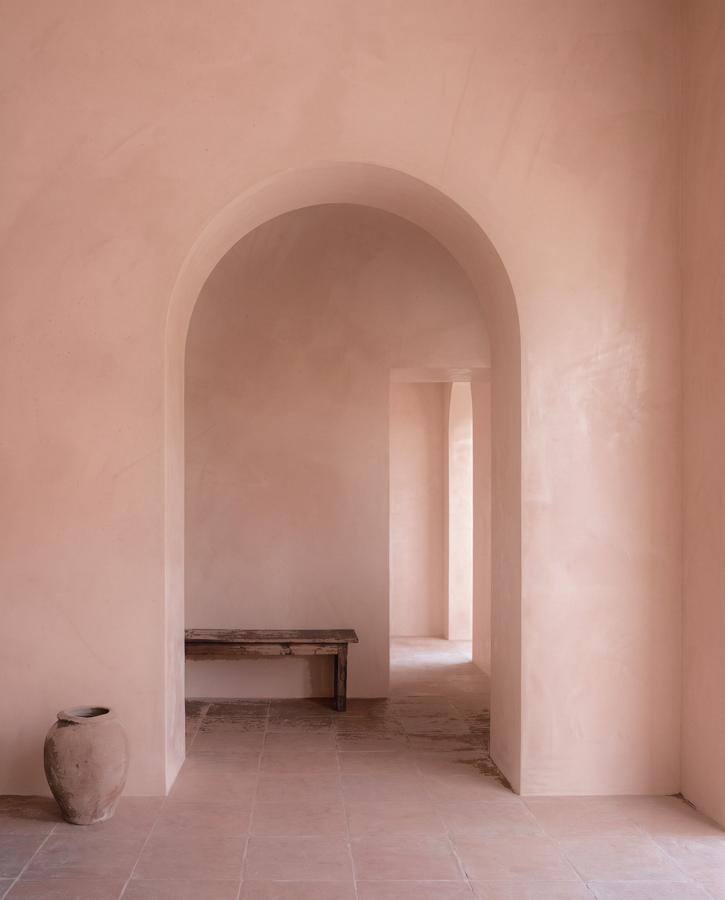
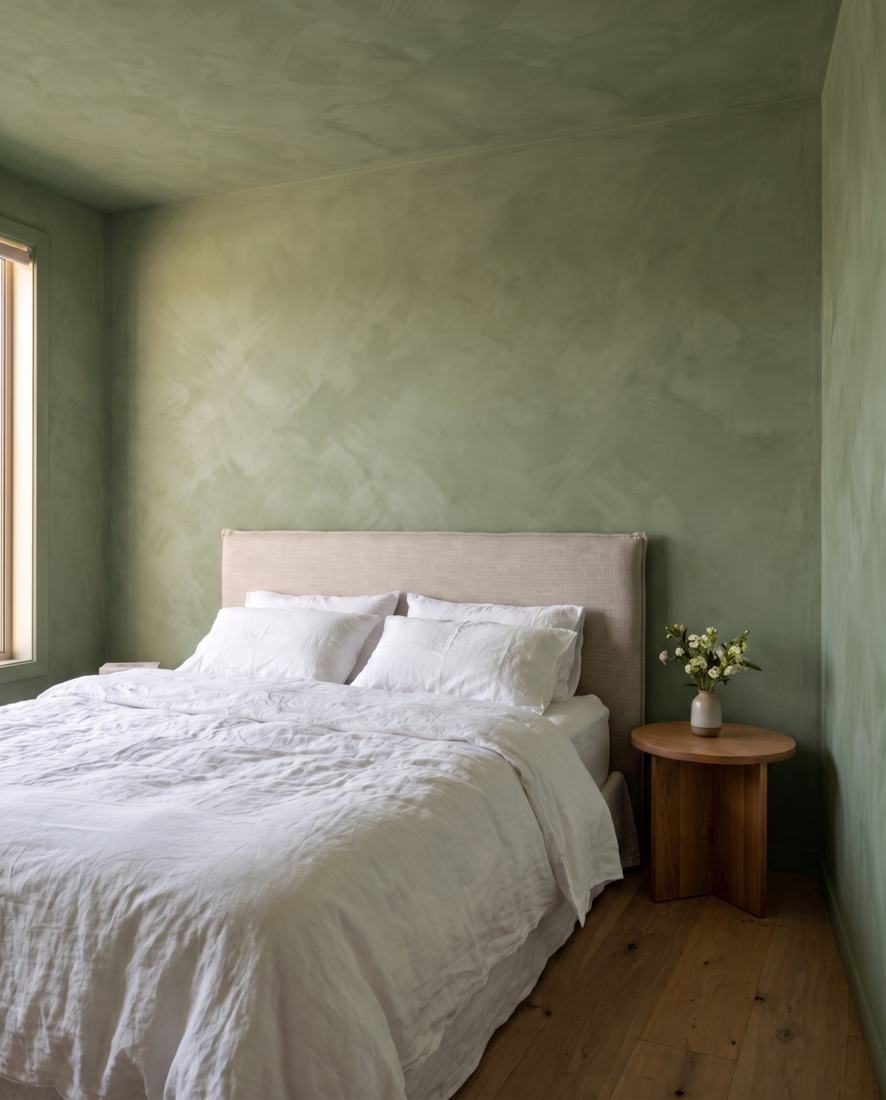
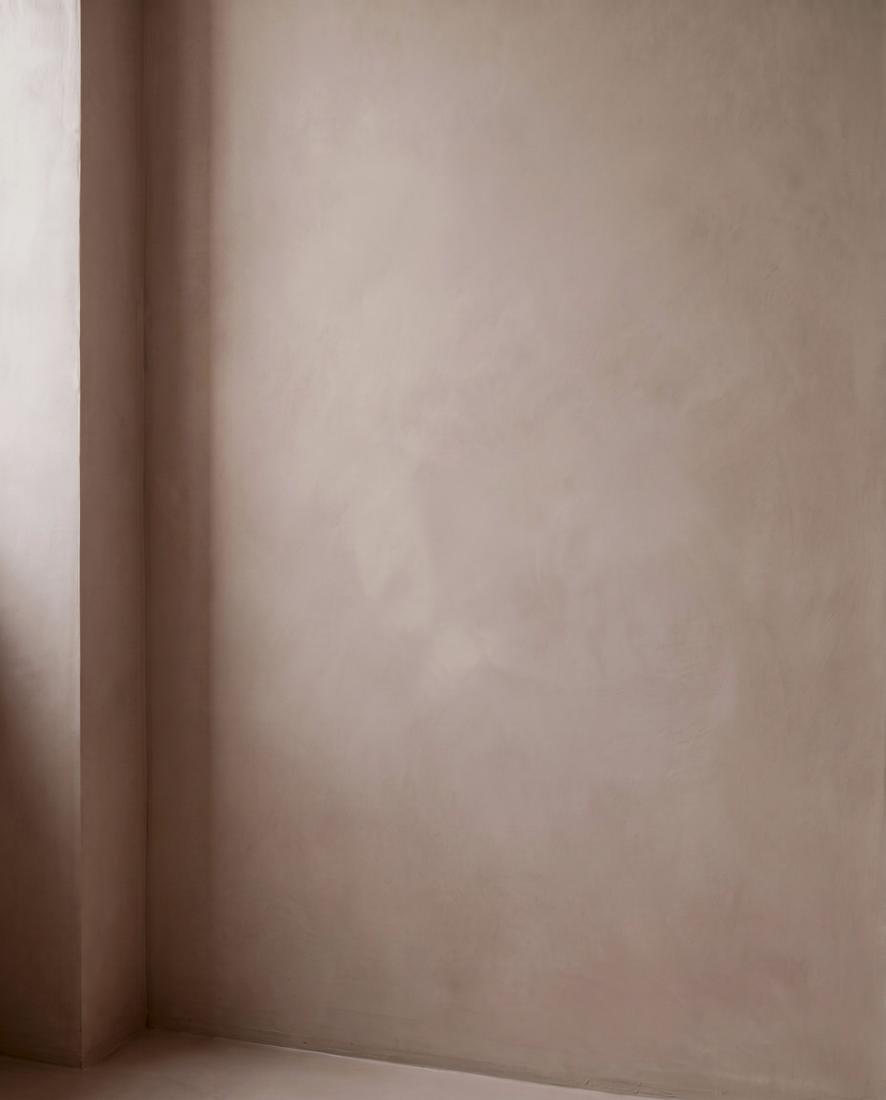
Every pass of the trowel leaves a soft cloud of light and shade, so no two floors are the same. If you want a perfectly even surface, it is the wrong material. If you want a surface that looks made by hand, that is the appeal.
Kret Microcement comes in 25 colours, shared with Smooth, so a plaster wall and a microcement floor can sit together in one room.
Pros and cons
| Pros | Cons |
|---|---|
| No grout lines | Hard to patch invisibly6 |
| Only 2–3 mm thick | Needs a stable base2 |
| Goes over sound old surfaces | Costs more than basic tile7 |
| Walls and floors can match | Sealer needs renewing5 |
| Each surface is unique | Results depend on the applicator8 |
Four common myths
“It is waterproof on its own.” One specialist calls it water-resistant rather than inherently waterproof, so wet zones need a membrane underneath.5
“It never cracks.” It tolerates minor movement, but cracks in the base can reach the surface. See why microcement cracks.9
“It goes over anything.” It needs a solid, stable surface. Loose tile and flexible floors are not suitable.3
“It is an easy DIY.” Kits exist, but professional installation is widely advised, because DIY work often leads to uneven surfaces, poor curing or weak sealing.8
Is it right for you?
- You want a calm, continuous surface and like a handmade look.
- Your existing base is sound, or you can fix it.
- You are prepared to clean gently and reseal when needed.
- You accept small variations, and possibly very fine lines, as part of a mineral finish.
If you want a perfectly uniform floor, a tight budget or a surface that can take rough treatment, tile or vinyl may suit you better. It is also worth seeing a real sample before deciding, since photos flatten the texture and light.
Matt or satin?
The sealer sets the final character. A matt seal looks closer to raw mineral and hides small marks better. A satin seal looks richer, reflects more light and shows a little more of the trowel’s movement. On floors, the seal also affects grip, so choose it with the room in mind. Kret offers both, and a sample of each on your chosen colour shows the difference quickly.
What it feels like to live with
Microcement is hard underfoot, like concrete, and stays cool in a Thai room, which many people like. It is quiet to look at but not to walk on, so rugs and soft furnishings help with sound in large rooms. It will collect small signs of use over time. If you like a surface that ages with the house, that is part of the appeal. If every mark would bother you, look at the comparison with tile.
Questions to ask an installer
- Which system is used, and is it a floor or wall grade?
- How will you prepare my surface?
- How many coats, and which sealer?
- Can I see a sample in my colour, and a finished job?
- What does the warranty cover?
What to read next
Questions
Is microcement the same as concrete?
No. Polished concrete is poured about 100 mm deep, while microcement is a coating of 2–3 mm.2
Can microcement go on walls?
Yes. It works on walls, floors, stairs and counters.
How long does it last?
Homebuilding & Renovating gives around 8–10 years for floors with proper care. Resealing is part of that.3
Is microcement the same as resin flooring?
No. Microcement is cement-based and trowelled, while resin floors are polymer coatings. Some microcement systems do include resins in the mix.1
Can it go over plasterboard?
Yes, on a suitable system, as long as the board is stable and properly primed. Kret lists tile, screed and board, primed.
Sources
- Home & Decor Singapore: Microcement shops and guide
- Homebuilding & Renovating: Polished concrete vs microcement flooring
- Homebuilding & Renovating: Microcement flooring
- Topciment: How to apply microcement on old tiles
- ELF Decor: Microcement bathrooms in Melbourne
- Homebuilding & Renovating: Microcement bathrooms
- Studio Matrx: Microcement vs tile
- Flooring Clarity: Microcement flooring pros and cons
- Qanvast: What Is Microcement? A Complete Guide for Singapore Homeowners (2026)
Hold microcement before you specify it.
Hand-made samples in your colours, delivered to your studio. For larger projects we trowel a full-size panel on site.
Order a sampleMore from the journal
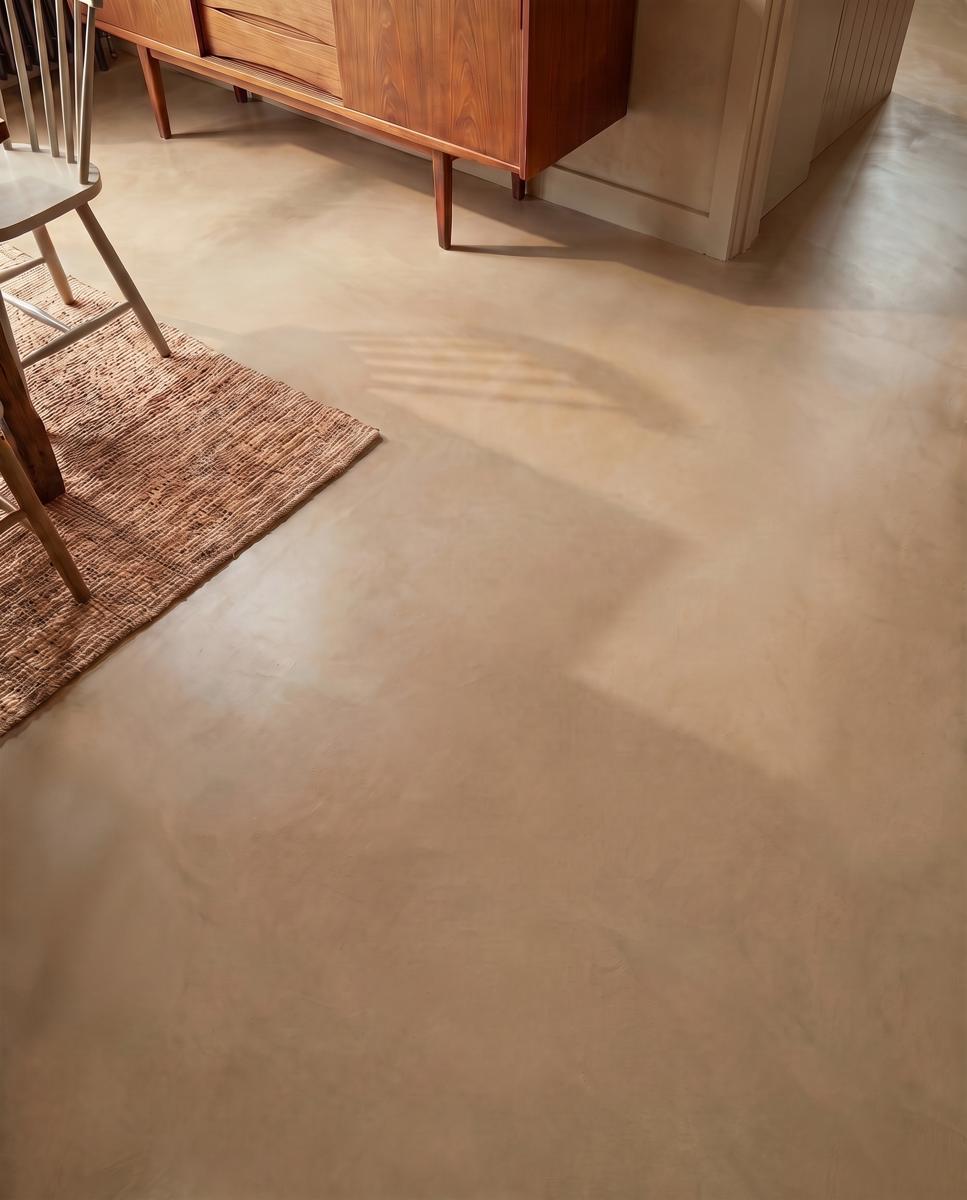
How much does microcement cost in Thailand?
The price is set by the room as much as the material. Here is what moves it, and what to check in a quote.
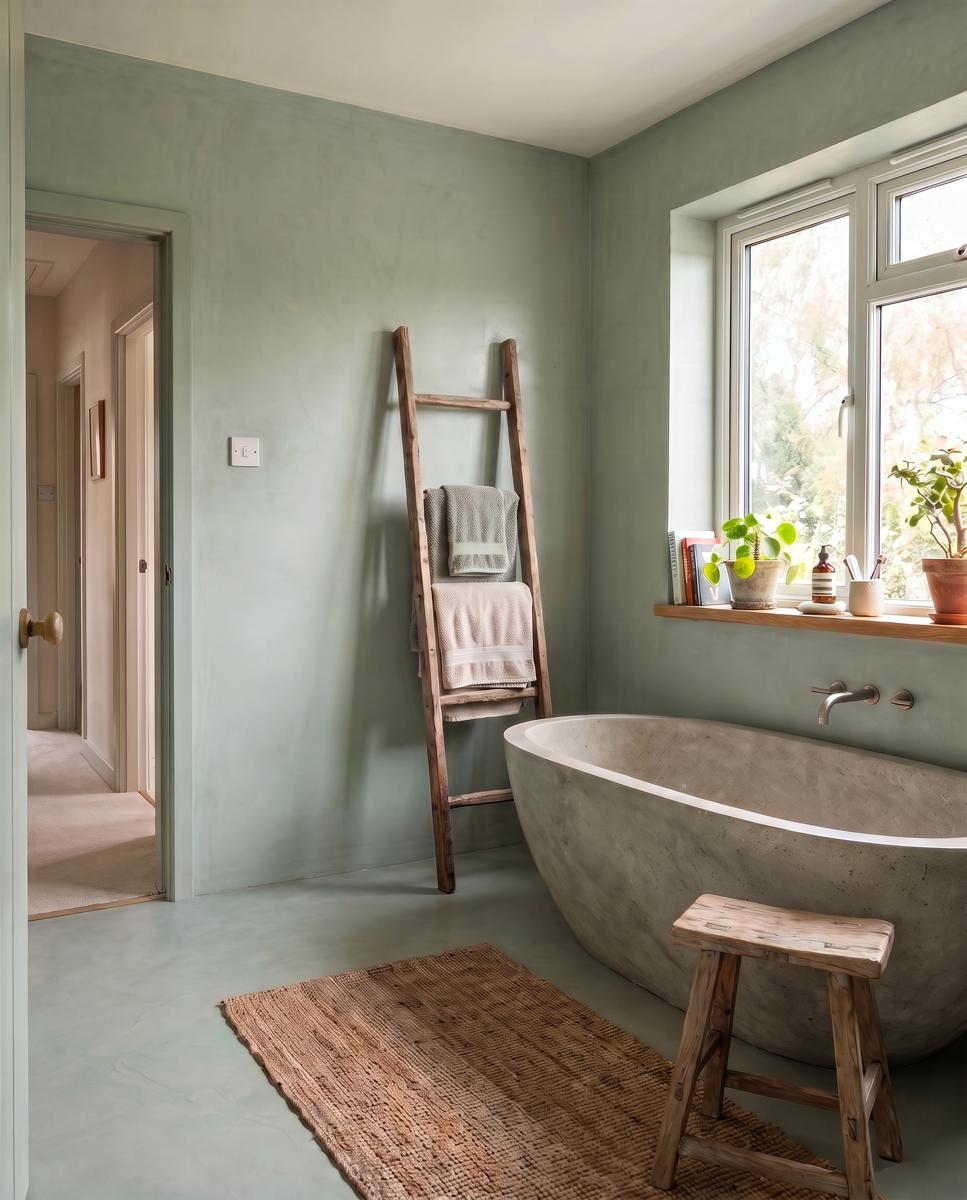
Microcement vs tile: which should you choose?
Each wins on different terms. The right answer depends on what is on the wall now and how the room is used.
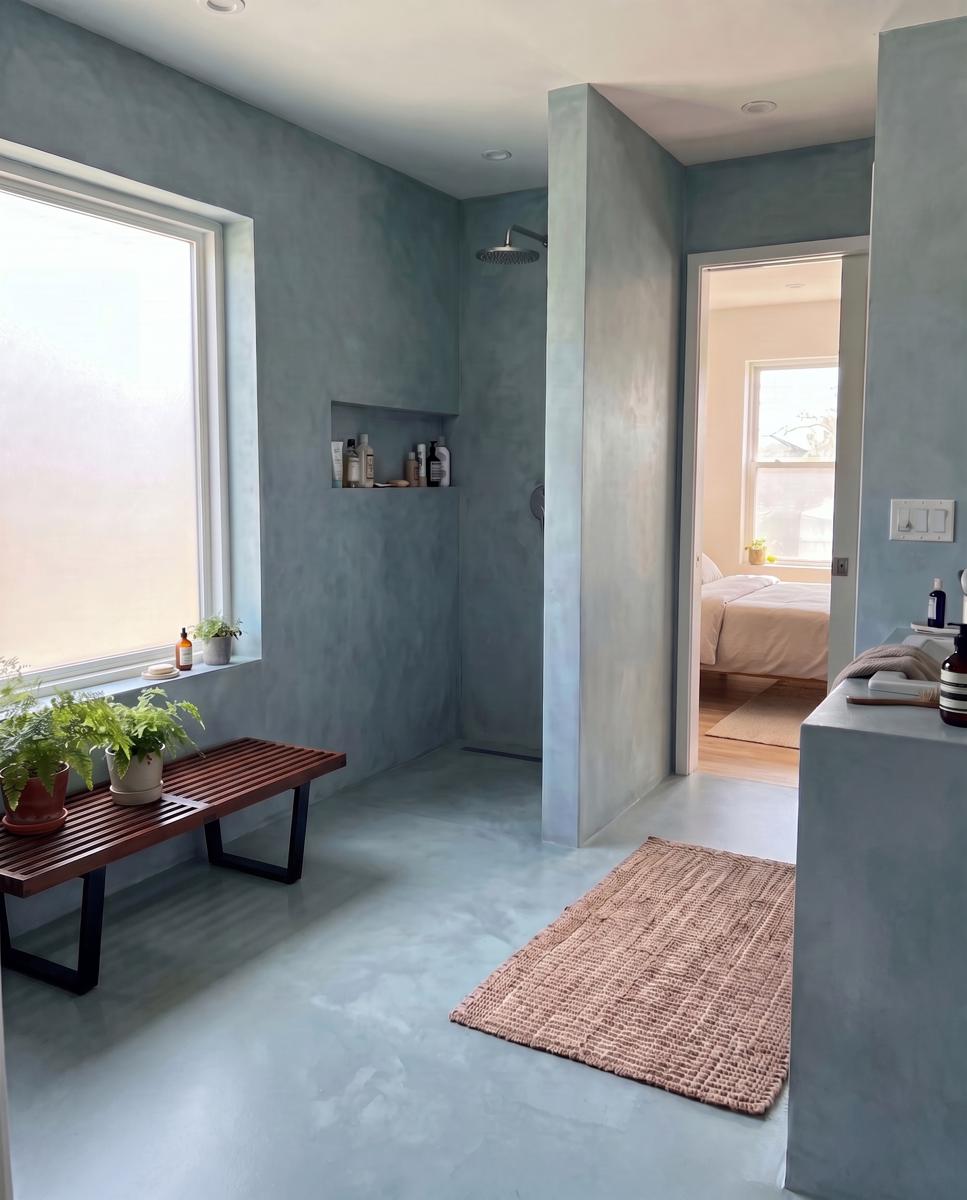
Can microcement go in a shower?
Yes, as part of a system. The microcement is the finish you see, and the waterproofing beneath it does the protecting.