


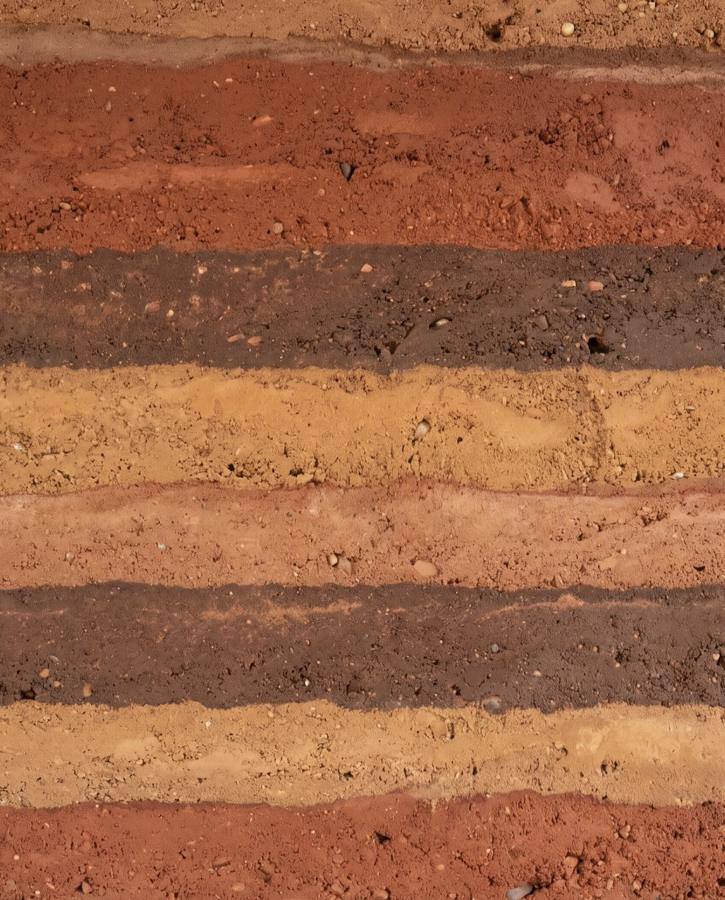
Wall finishes for hotels, restaurants and shops
A busy space is not one wall. Each zone has its own touch, cleaning and moisture demands.
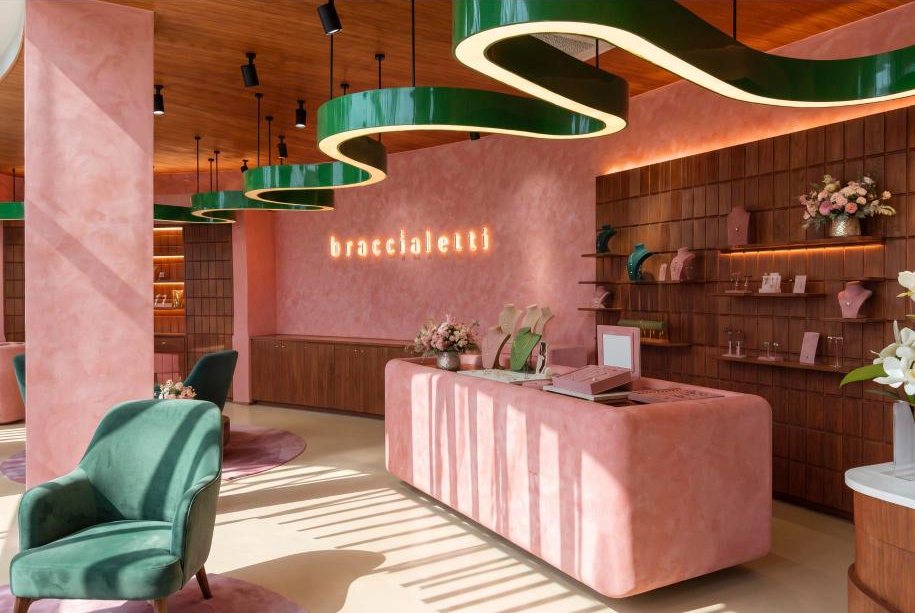
Choose commercial wall finishes zone by zone. Use hard or sealed surfaces where people touch and staff clean often, and softer mineral finishes on upper and feature walls. Confirm fire requirements early, and match each finish to the operator’s cleaning routine.
Plan by zone
| Zone | Demand | Good fit |
|---|---|---|
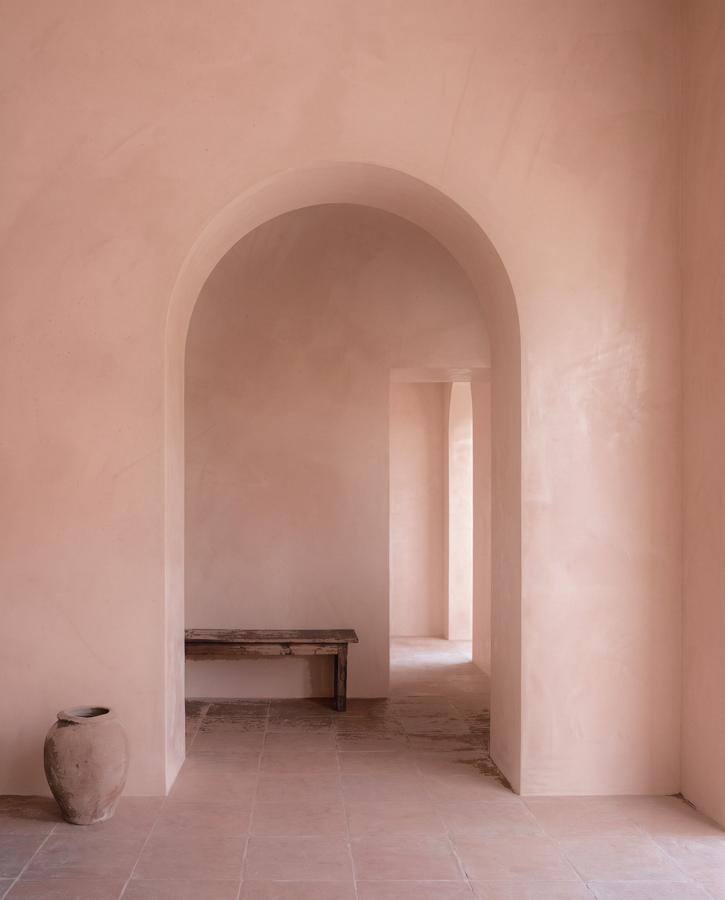
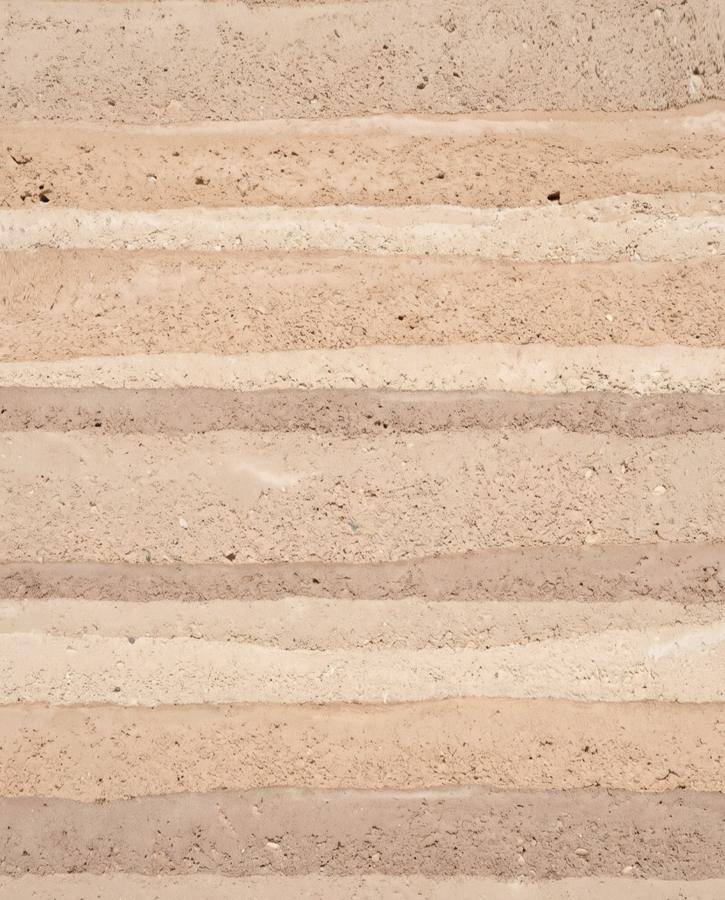
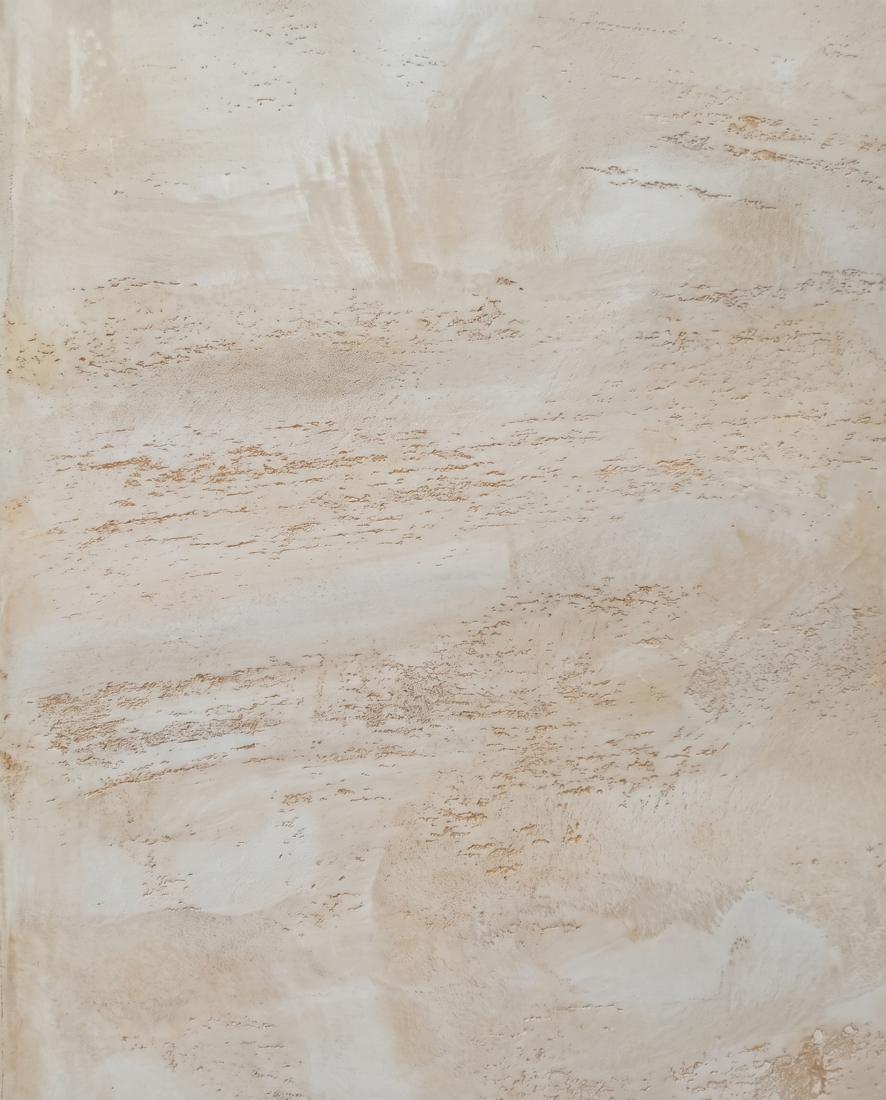
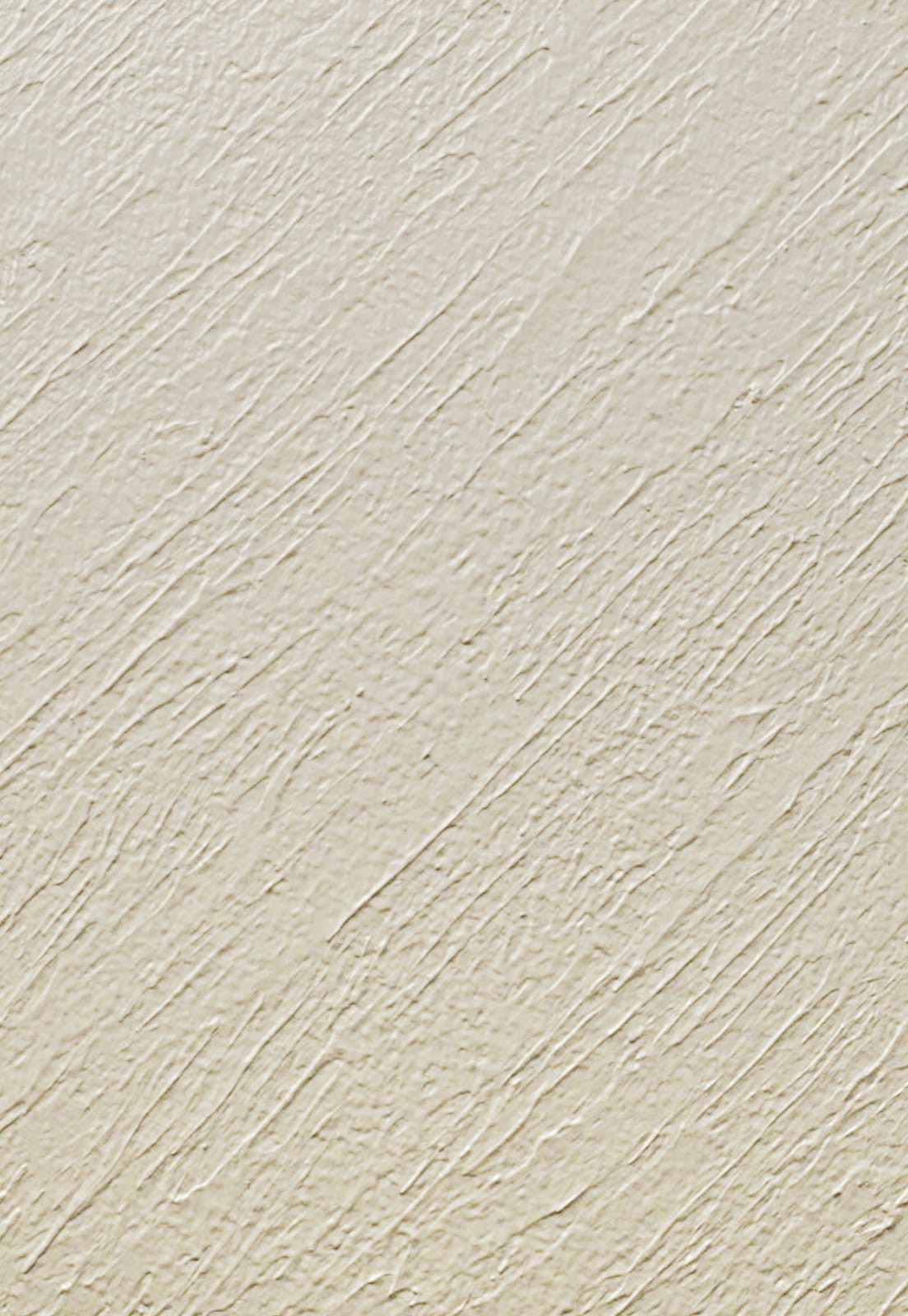
| Lobby feature wall | Seen more than touched | Travertine, Rammed Earth, Smooth |
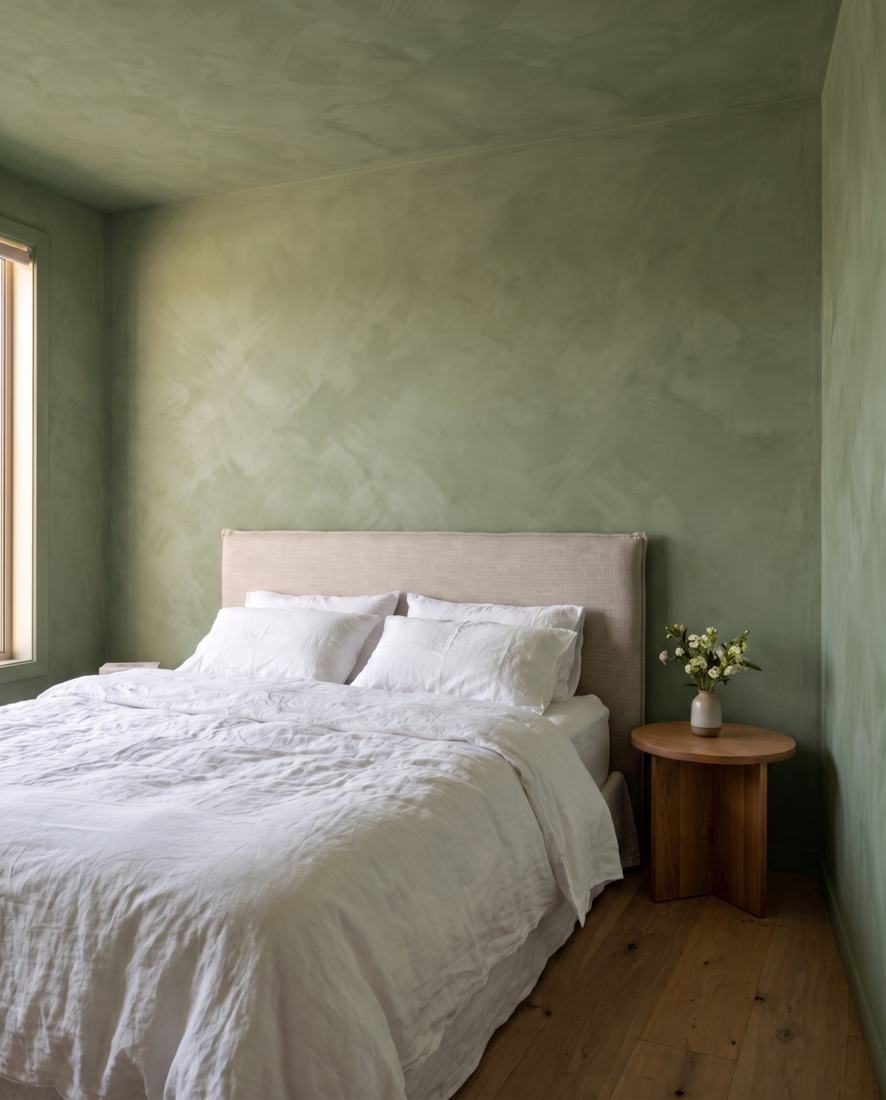
| Guest rooms, spa | Calm, some humidity | Limewash, Clay |
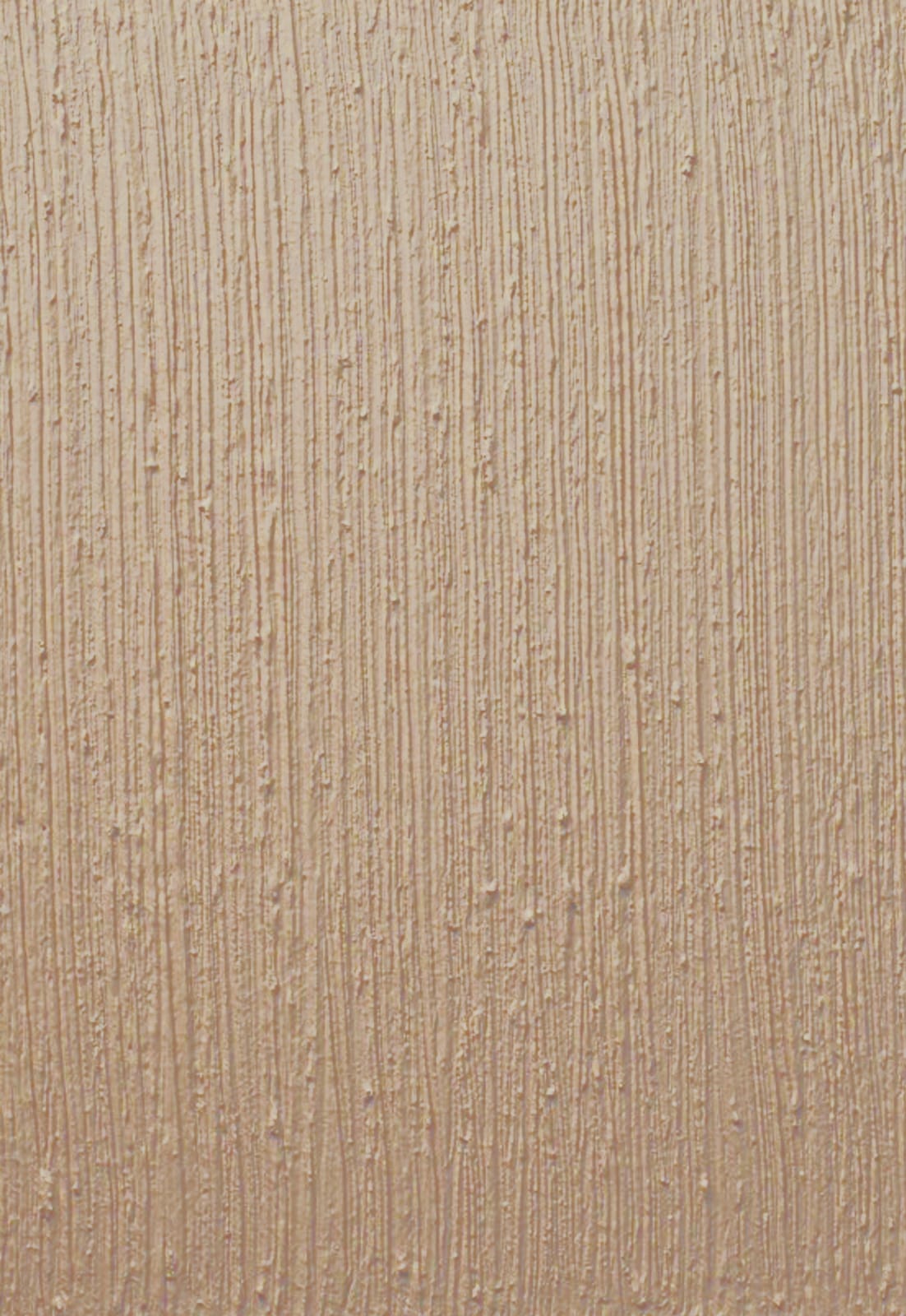
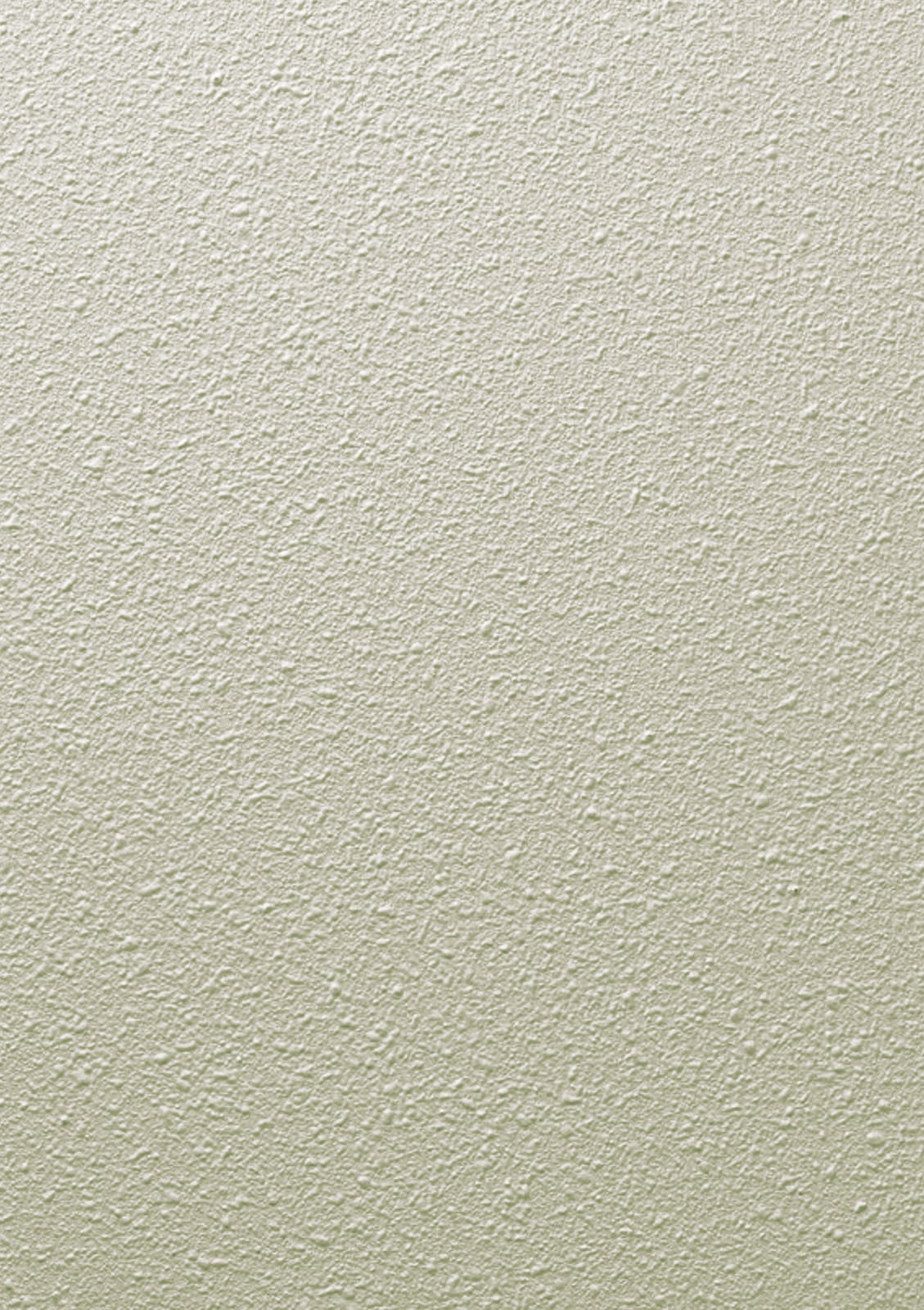
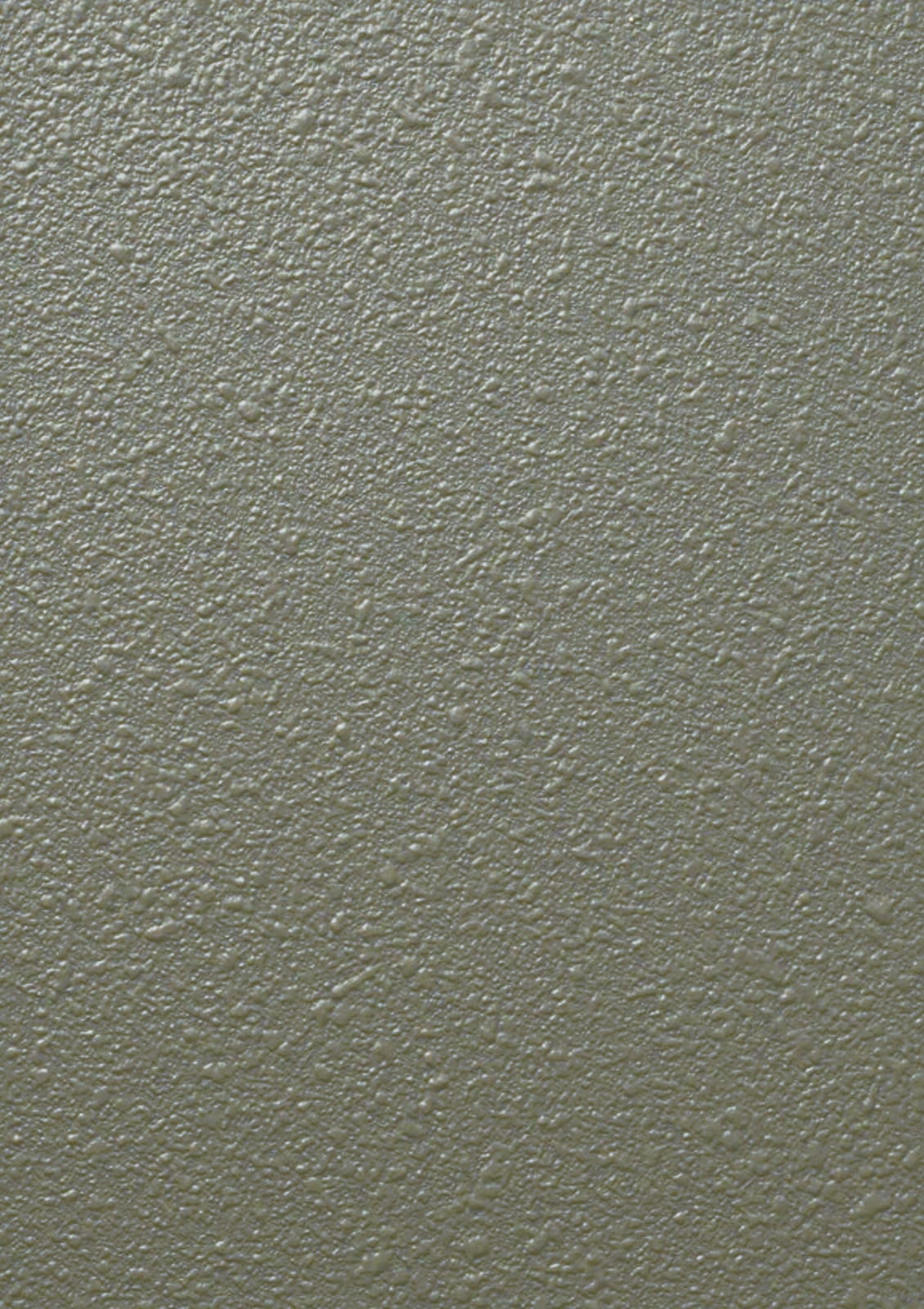
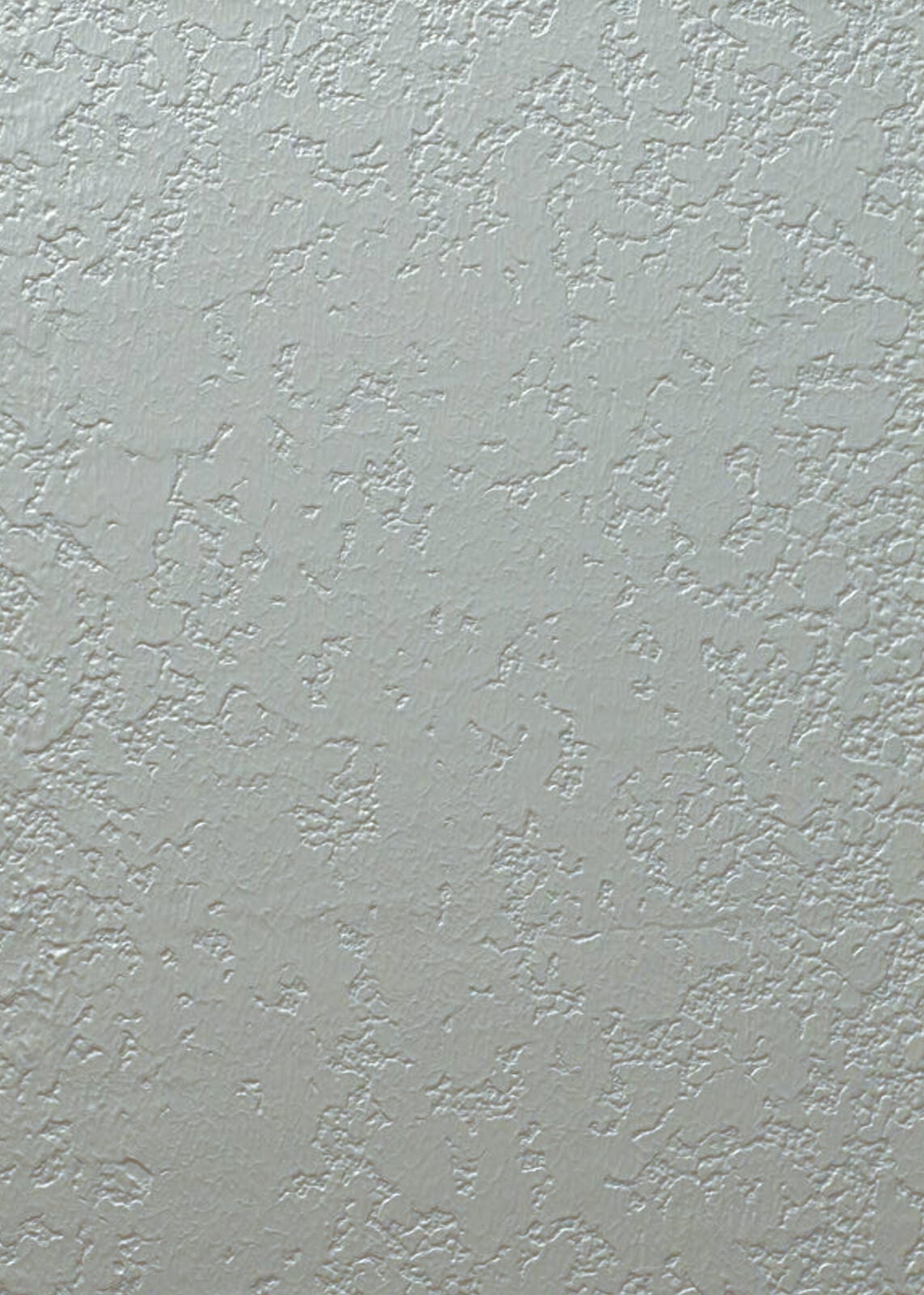
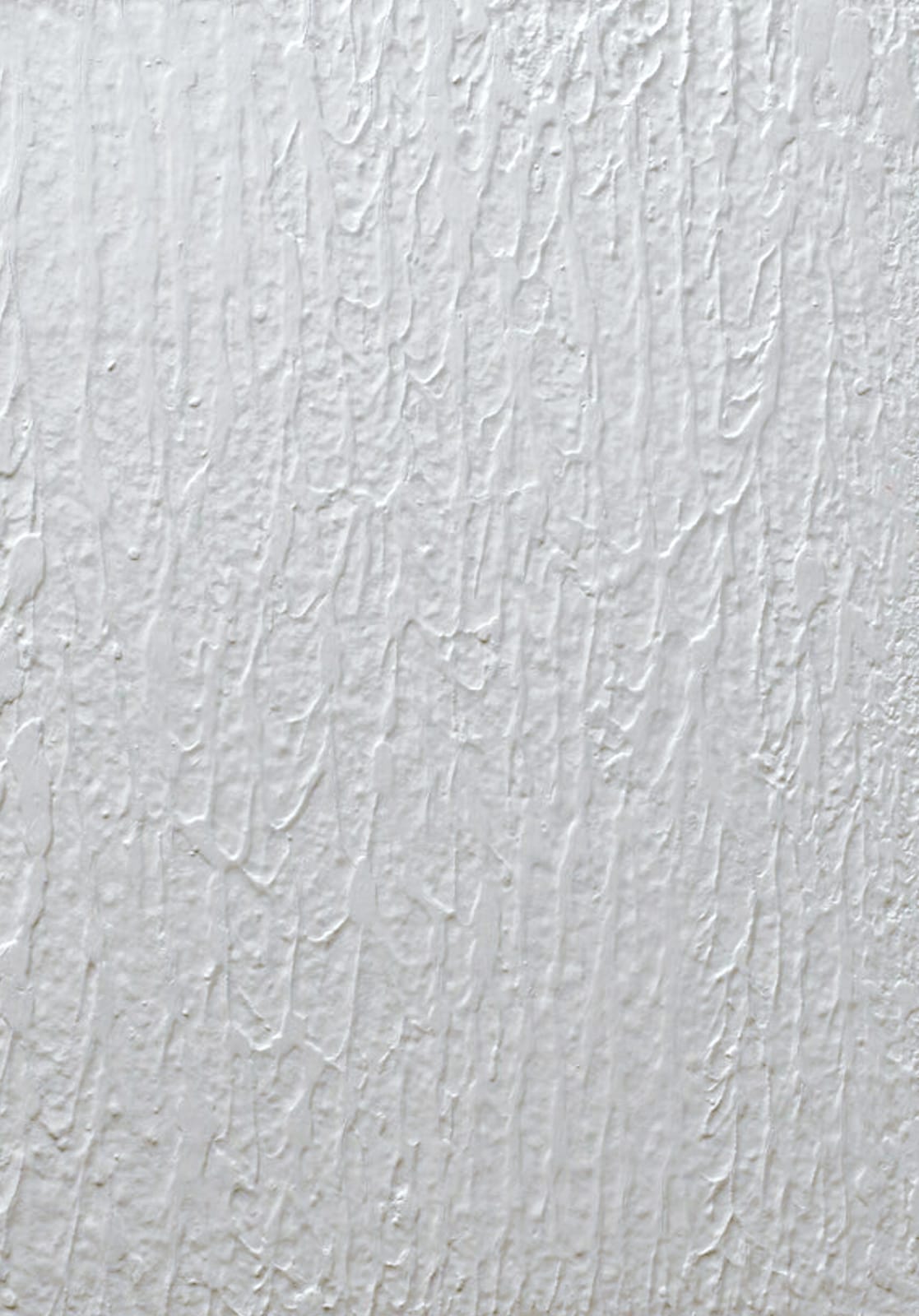
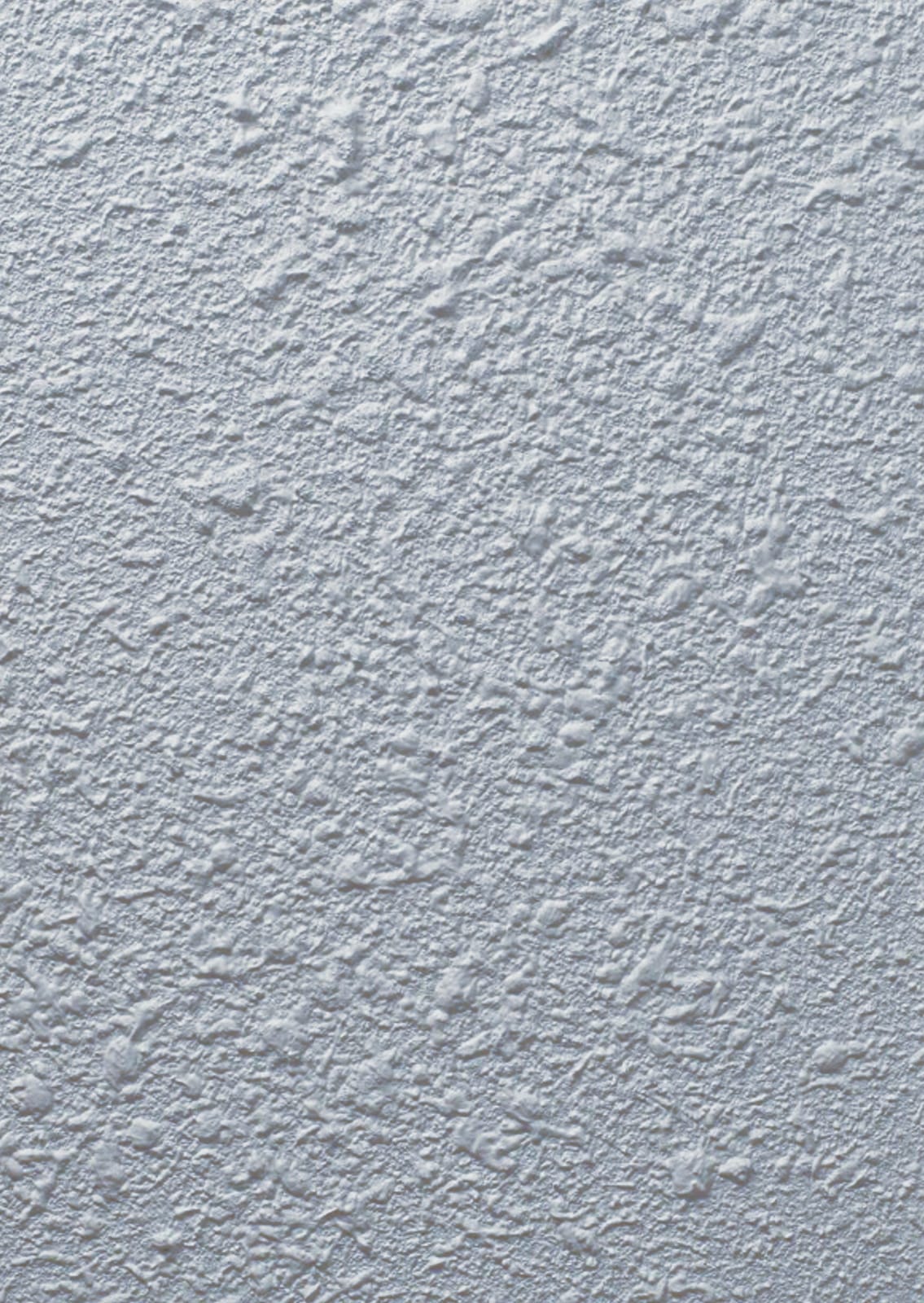
| Corridors, banquettes | Scuffs and luggage | Texture, or a protective lower wall1 |
| Bathrooms | Water and cleaning | Microcement on waterproofing |
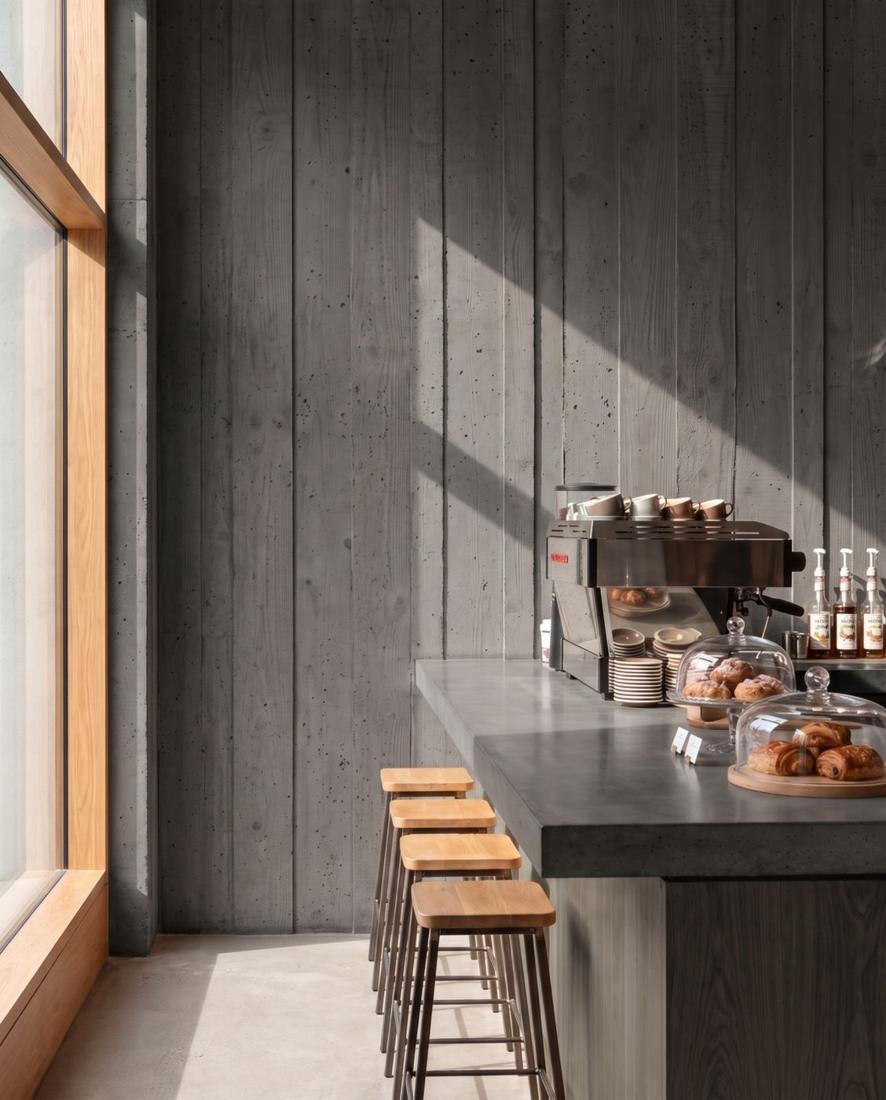
| Bars, counters | Spills and touch | Sealed microcement or stone |
| Commercial kitchens | Grease, heat, hygiene | Specialist hygienic surfaces1 |
Ask about cleaning first
Walls in food spaces face splashes, fingerprints, grease and repeated cleaning, so learn the operator’s cleaning routine before specifying.1 A limewash wall behind a banquette will not survive daily wiping. Protect the lower wall, or choose a finish that can be repaired.
What a busy wall actually gets
Most damage happens in predictable places, and one good elevation drawing can show them. Think about:
- Chair backs, at about seat height.
- Luggage in corridors and at lift lobbies.
- Trolleys and housekeeping carts at corners.
- Hands by doors, switches and stair walls.
- Splash behind wash basins and bars.
- Heads and shoulders along banquettes.
Protect these with a lower wall in timber, stone or tile, with a harder finish in that band, or with rails and corner guards.1 Keep the softer finish above it. People rarely notice the change of material, and it can save a repaint.
Repair matters more than perfection
Hospitality walls get damaged. Scuffs on Smooth can be re-burnished locally, and limewash can take another coat. Plan for repairs that do not close the room, and keep the batch and colour details on file.
Fire, light and programme
No single fire rating applies to every restaurant. Requirements depend on location, building type, occupancy and substrate, so confirm early with your fire consultant.1 Test finishes under the lighting design, because dim, warm rooms change colour and texture. For a working site, limewash is often the quickest change.
Working on a live site
- Phase by floor or zone, so revenue keeps coming in.
- Agree quiet hours. Sanding and grinding are the loud parts.
- Control dust, and protect carpets and lifts.
- Ventilate during sealing, because some systems have an odour.
- Plan guest routes, and have a sample panel ready for management.
Keeping several sites consistent
A hand-laid finish will never match perfectly between branches, so define what consistent means. Use one colour code, one approved panel and one crew standard. A small sample board for each site helps, and so does a photo record under the actual lighting. Tell the brand team early that variation is the character of the material.
Budget for upkeep
Commercial floors need more frequent sealing and care.2 Add a line to the operating budget for touch-ups, and keep a small amount of colour information with the facilities team. A planned visit during low season costs less than closing a room in high season.
In practice
Kret Limewash has been used in Bangkok retail and spa projects, including Braccialetti Ekkamai and Chamber Jewelry. See the RBSC Spa project for how lime behaves in a humid room.
A short checklist
- Map touch zones on the elevations.
- Get the operator’s cleaning routine.
- Confirm fire requirements.1
- Test under the lighting design.
- Approve a mock-up, and plan repairs.
Questions
Is limewash suitable for hotels?
Yes, on walls people don’t often touch. Guest rooms, ceilings and upper walls suit it.
What is the most durable decorative wall?
Coarse textures and sealed finishes generally handle busy areas better. Test the actual finish.
Can work be done with a hotel open?
Often, by zone. Limewash needs no demolition, and microcement avoids breaking out tile.
How do I protect the lower wall?
Use a band of timber, stone or tile at the contact height, or use rails, and keep the softer finish above.1
Sources
See it on your own wall.
Hand-made samples in your colours, delivered to your studio. For larger projects we trowel a full-size panel on site.
Order a sampleMore from the journal
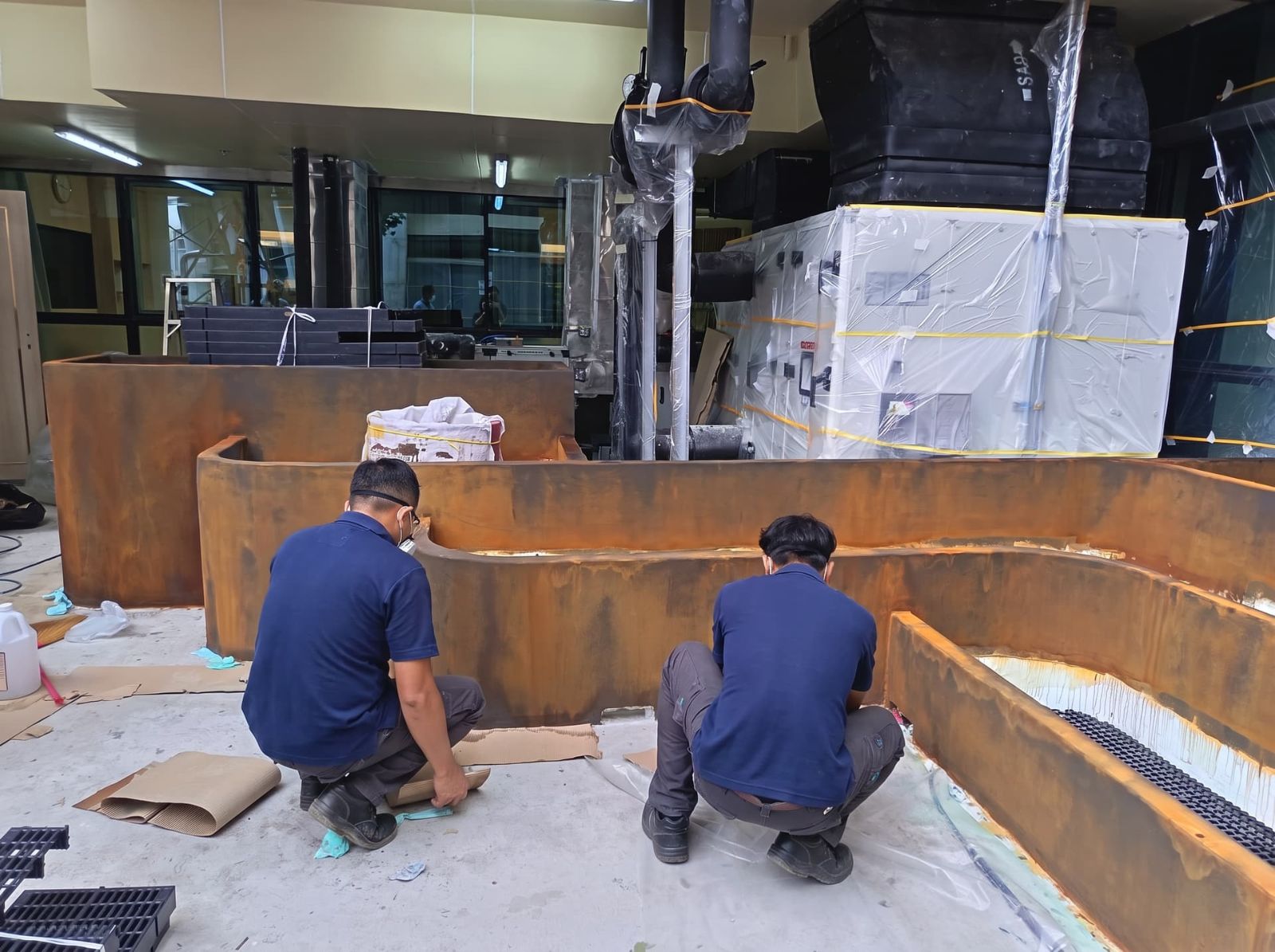
Why we trowel a mock-up first
A handmade surface can’t be fully specified in words. A sample panel settles what drawings cannot.
How to specify decorative finishes
A handmade finish fails on paper first. A short, clear specification prevents most site problems.
How much does microcement cost in Thailand?
The price is set by the room as much as the material. Here is what moves it, and what to check in a quote.