











How to specify decorative finishes
A handmade finish fails on paper first. A short, clear specification prevents most site problems.
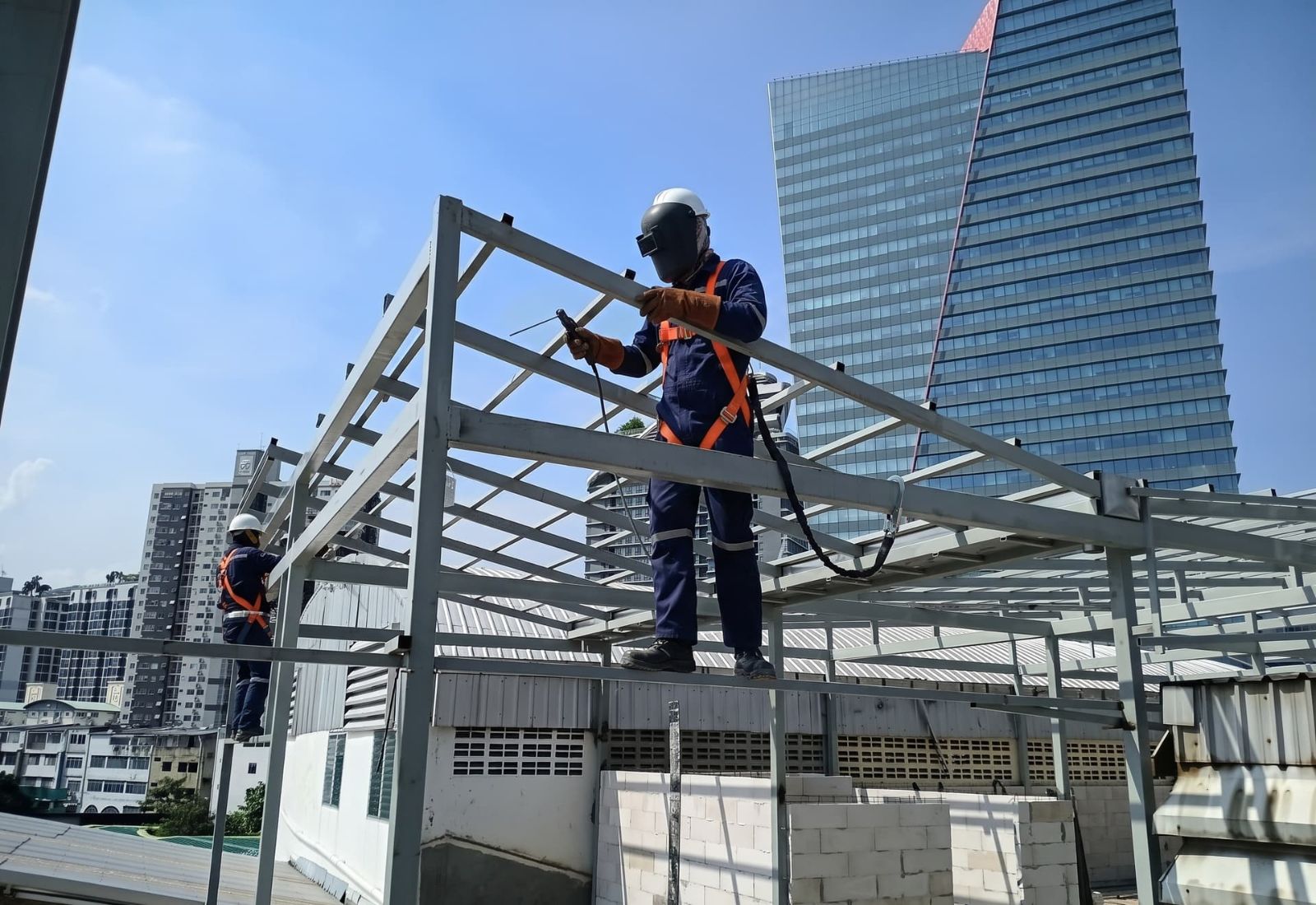
A good specification for a decorative finish names the system, the substrate and its preparation, the full build-up, the sealer, the mock-up and who is responsible for the surface. Colour and texture alone are not enough. Agree the acceptance benchmark before work starts.
What to include
| Item | What to state |
|---|---|
| System | Product, colour code, texture and sheen |
| Substrate | What is there, its condition and who prepares it |
| Build-up | Primer, mesh, coats, sealer, and thickness |
| Wet areas | Waterproofing system and who is responsible |
| Movement joints | Where they are and how they are treated |
| Mock-up | Size, location and who approves it |
| Acceptance | The approved panel is the benchmark |
| Data | Test results for fire, slip and VOC, for the actual build-up |
| Aftercare | Cleaning, resealing and repair |
A sample clause
This is a starting point, not a standard. Replace the brackets with project details.
- System: [Product], colour [code], [matt/satin] finish, applied by the manufacturer’s own or approved crews.
- Substrate: [Contractor] to provide [substrate], sound, clean and dry, with cracks repaired. Applicator to inspect and accept in writing before starting.
- Build-up: As the manufacturer’s system for this substrate, including primer, mesh, coats and sealer.
- Sample: Provide a mock-up of [size] at [location], with all layers, for approval by [name]. The approved mock-up is the standard for the work.
- Records: Provide colour codes, batch records and care instructions at handover.
Coordinate with other trades
| Trade | What to agree |
|---|---|
| Structure and blockwork | Movement joints and junction mesh1 |
| Waterproofing | Who installs it, who tests it, who takes over2 |
| MEP | Fix switch, tap and vent positions before finishing |
| Lighting | Raking light exaggerates texture and any defects |
| Joinery and stone | Sequence, protection, and how they meet the finish |
| Final cleaning | No acid or abrasive cleaners3 |
Where specifications go wrong
- Split responsibility. One firm supplies, another applies, a third waterproofs. Nobody owns the surface.
- “Or equal” without a test. Two products with one name can behave differently.
- No substrate clause. Most cracks begin there, as Why microcement cracks explains.
- Fire data for the wrong thing. Requirements depend on location, building type, occupancy and substrate, so confirm early.4
Agree acceptance
Say how the work will be judged. A handmade surface will vary, so write that the approved mock-up is the standard, and view the work in final lighting. See Why we trowel a mock-up first.
Build it into the programme
Handmade finishes do not compress. Curing between coats matters, and trapped moisture can show as marks.5 Allow for the base to dry, the mock-up to be approved, and the room to be protected afterwards. Put these finishes near the end, once wet trades and heavy trades have left, and keep the air conditioning stable.
Words that help
- “Hand-applied. Natural variation is a characteristic of the finish, within the range of the approved mock-up.”
- “Assess from normal viewing distance, in final lighting.”
- “Fine surface lines that do not affect performance are not defects, unless agreed otherwise.” Agree this one carefully with the client.
Clear words protect the client and the applicator. A surface that varies is only a problem when nobody said it would.
What Kret provides
We supply spec clauses, technical data sheets and finish schedules for your documents, plus physical samples in your chosen colours. Because our own crews apply every finish, one party is responsible for the finished surface.
At handover
Ask for the colour codes, batch records, sealer details and care instructions in one document, and pass them to the client’s facilities team. Without them, the next repair starts from a guess. Keep the approved mock-up panel, or photograph it, until the defects period ends.
Questions
Should I specify the applicator?
Yes, for a hand-applied finish. Skill makes a large part of the result.
Can I get spec clauses from Kret?
Yes. Clauses, data sheets and finish schedules are available on each product page.
Do I need a mock-up on small projects?
A sample in your colour may be enough. Use a mock-up when the wall matters or the area is large.
Who should test the waterproofing?
Name one party in the specification, and record the result before the finish goes on.2
Sources
See it on your own wall.
Hand-made samples in your colours, delivered to your studio. For larger projects we trowel a full-size panel on site.
Order a sampleMore from the journal
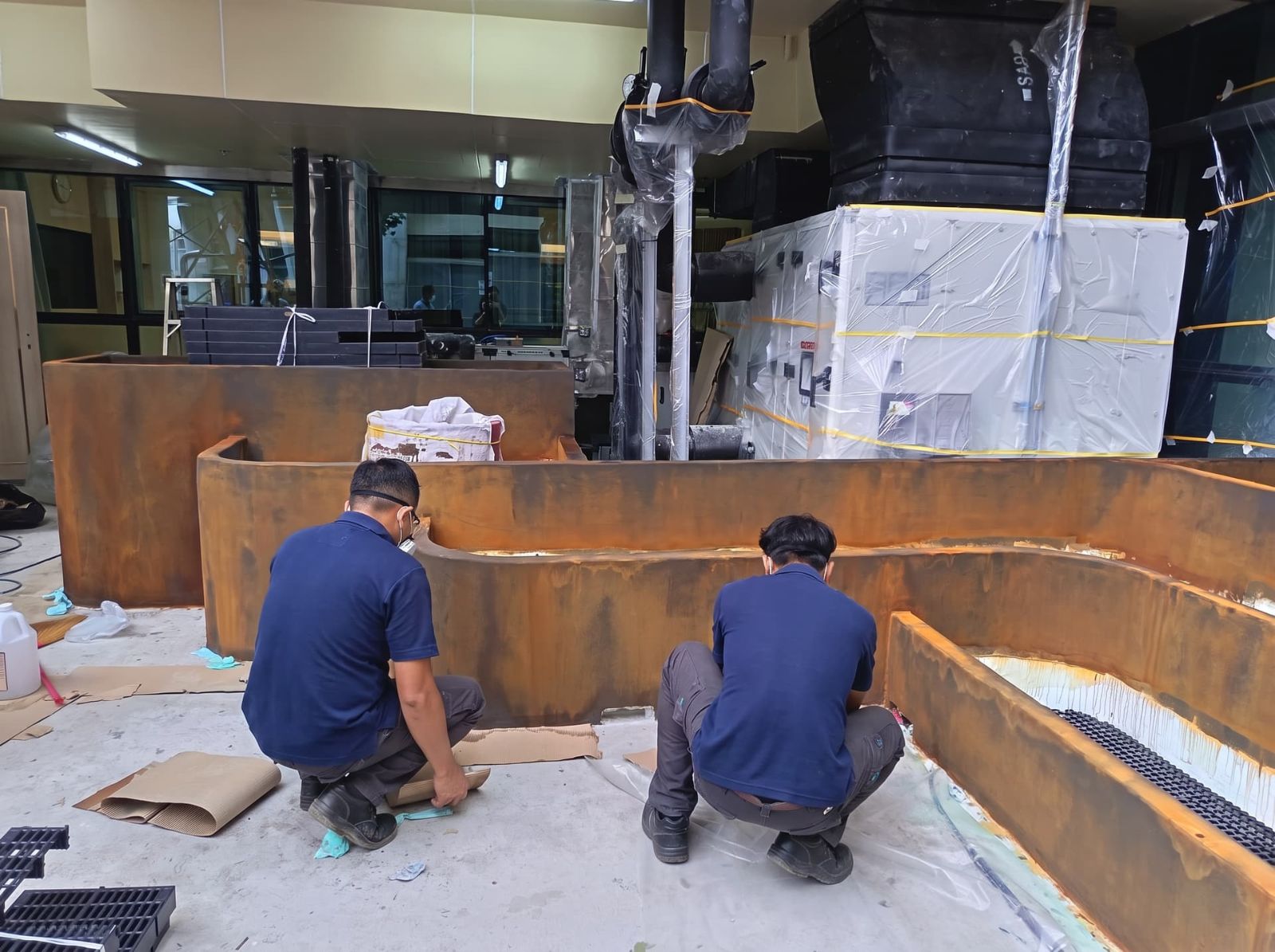
Why we trowel a mock-up first
A handmade surface can’t be fully specified in words. A sample panel settles what drawings cannot.

Wall finishes for hotels, restaurants and shops
A busy space is not one wall. Each zone has its own touch, cleaning and moisture demands.
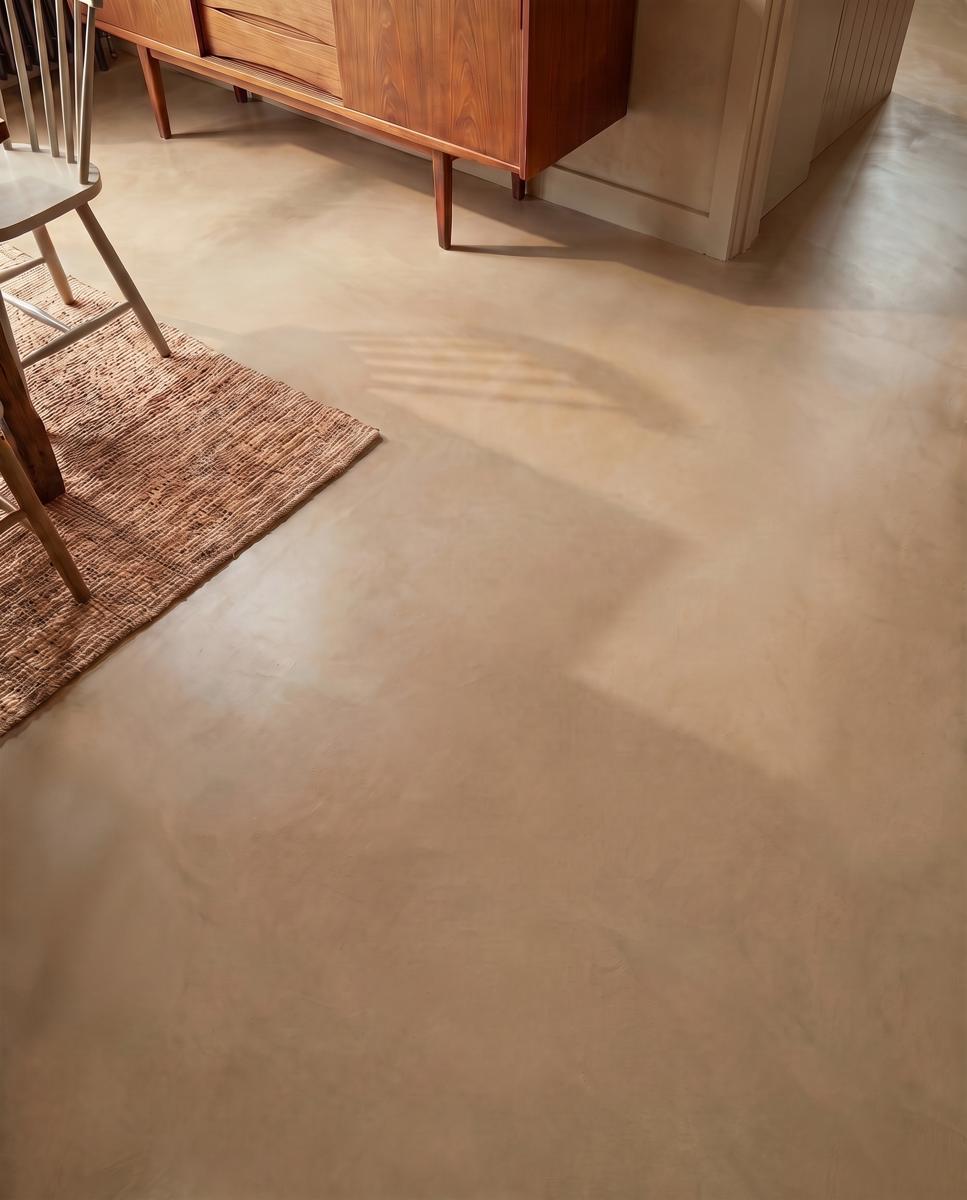
How much does microcement cost in Thailand?
The price is set by the room as much as the material. Here is what moves it, and what to check in a quote.