







Microcement in the kitchen: floors, walls and counters
It handles floors and walls well. Worktops ask more of it, especially in a Thai kitchen.
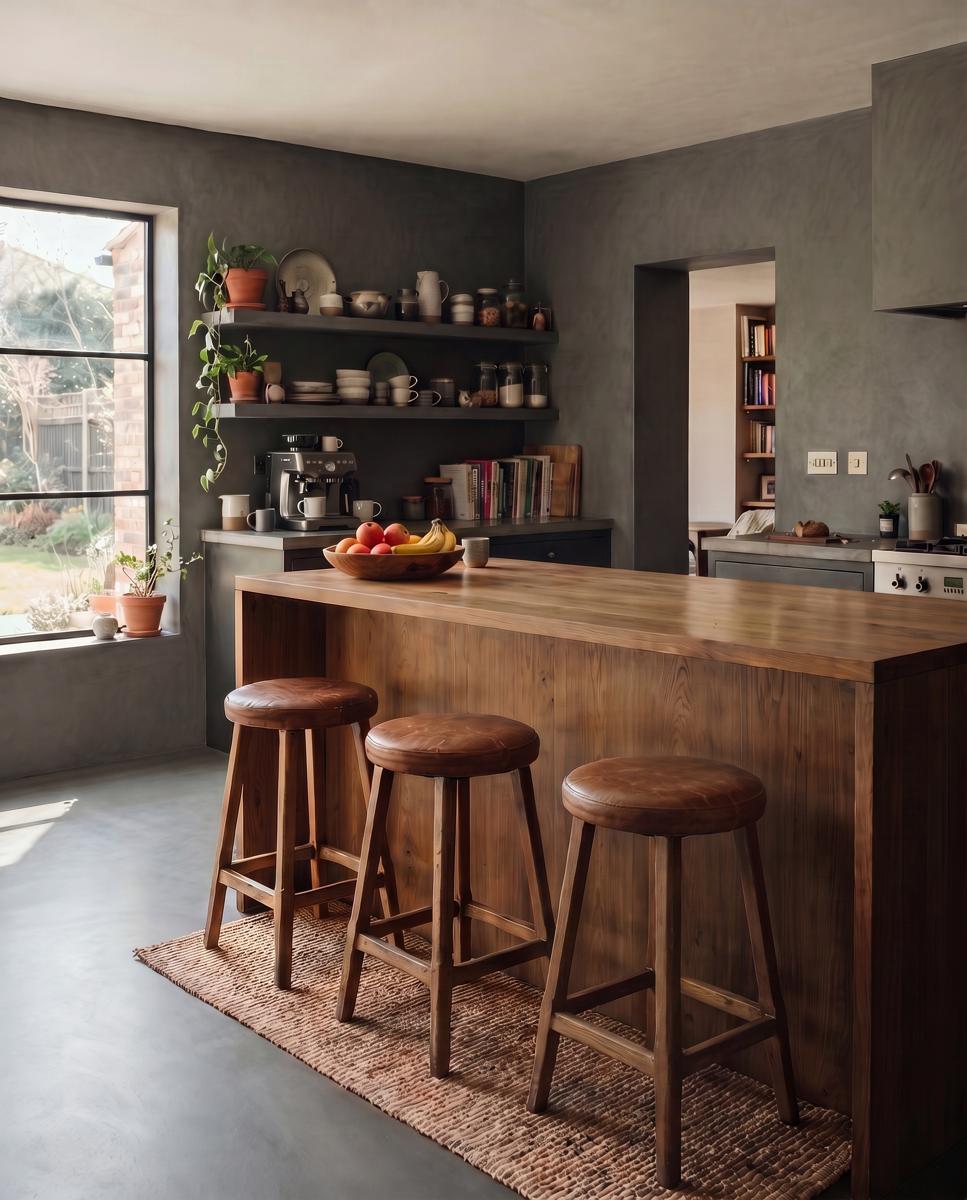
Microcement works well on kitchen floors and walls, and it can go on counters with care. Hot pans, acids and knives are the main risks. For a kitchen used for heavy cooking, stone or stainless steel is often the better worktop, with microcement on the surfaces around it.
Which surface, how much care
| Surface | Fit | What to watch |
|---|---|---|
| Floor | Good | Grit and dragged furniture. Vacuum regularly1 |
| Walls | Good | Grease near the hob. Consider glass or stone there |
| Splashback | With care | Heat and oil behind a wok |
| Counter | With care | Heat, acids, cutting |
What care guides say
One microcement maker’s care guide gives clear rules for benchtops.1
- Use a cutting board for all food preparation.
- Put hot pans on trivets or heat-resistant mats, never directly on the surface.
- Wipe lemon, vinegar and wine straight away, and do not leave food or chemicals for more than an hour.
- Avoid bleach, acid-based cleaners and scouring pads.
Owners report the same limits. One says their worktops are fairly heat resistant, but they would not put a pan straight off the hob, and deep reds can stain if left.2
Worktop options compared
| Material | Heat | Acids and stains | Repair |
|---|---|---|---|
| Microcement | Use a trivet1 | Wipe straight away1 | Hard to blend3 |
| Stainless steel | Very good | Very good | Marks are part of the look |
| Granite or quartz-type stone | Good, check the product | Good | Specialist repair |
| Tile | Good | Grout stains | Replace a tile |
Cost is rarely the reason to choose a microcement worktop. One UK guide gives £600–1,500 or more per run, and a Melbourne specialist gives A$400–600 per m².45 Choose it for the look, because you want the worktop to run into the wall or island without a line.
Why Thai kitchens are harder
Lime juice, tamarind, fish sauce, turmeric and a hot wok are hard on a sealed surface. If you cook that way every day, keep microcement away from the prep and wok zones. It works better in a show kitchen, a bar or a dining area.
Details that make it last
- Build on a rigid base. Worktops that flex will crack.
- Radius the edges, because sharp corners chip first.
- Use a sealed, well-detailed sink edge. Standing water finds any weak point.
- Keep a small trivet by the hob as a habit.
- Seal the underside of nearby timber if it can get wet.
Where it works best in a kitchen
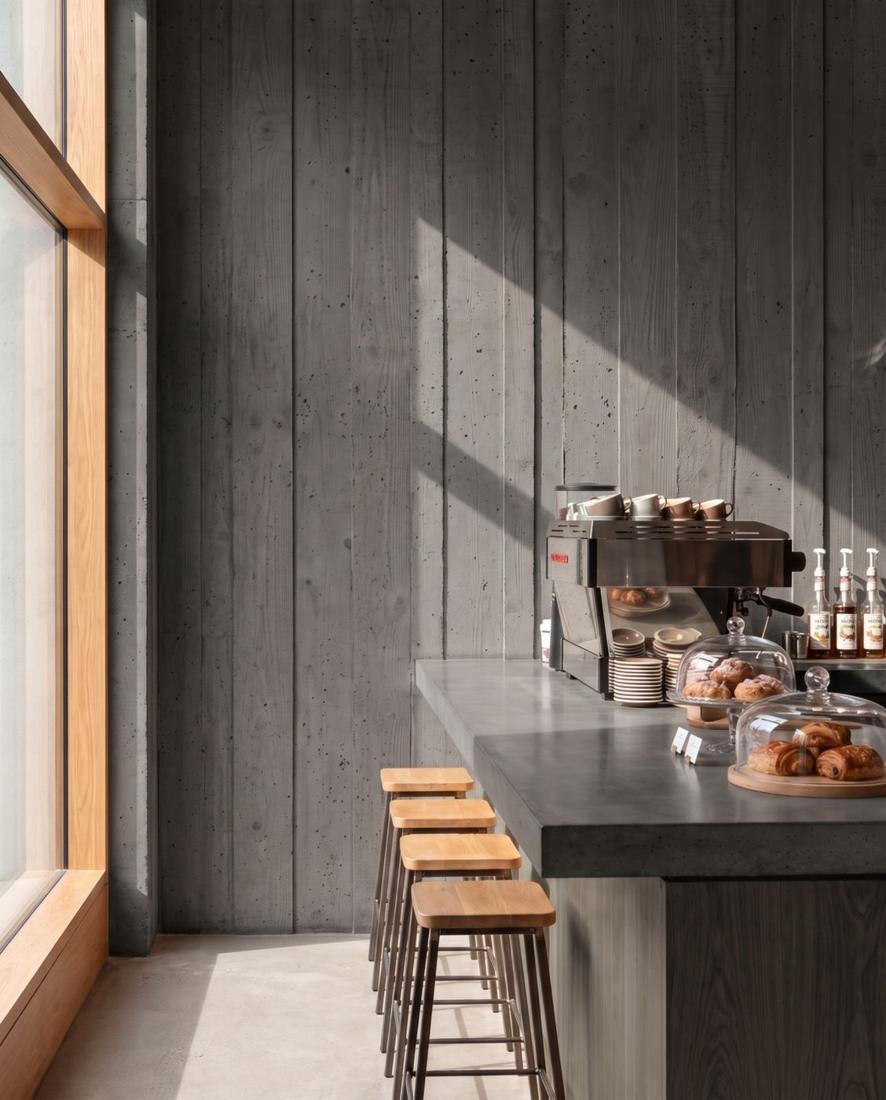
The strongest uses are often not the worktop. Island fronts, bar fronts, walls away from the hob and floors all benefit from a continuous finish, and they take little direct abuse. Pair them with a hard worktop, and you keep the look without the worry.
Kitchen floors
Floors see grit, oil and dropped pans. Sweep often, because grit acts like sandpaper, and put a washable mat by the sink. A heavy drop can chip the surface, and that needs professional repair.6 For a slip-resistant finish, ask about additives, especially where water lands on the floor.6
Looking after it
Inspect the surface once a year, and reseal when it looks duller or marks more easily. Kitchen counters may need this sooner than walls.1 See How to clean and care for microcement.
Questions before you commit to a counter
- How much do you really cook, and what?
- Will you always use a board and a trivet, and will everyone else?
- Is the sealer rated for food-area use? Ask for the data.
- Who reseals it, and how long is the kitchen out of use?
- Would you be happy with marks that build up over time?
If the honest answers worry you, keep microcement for the island front and walls, and pick stone or steel for the top. That gives you the same calm look with far less care.
Questions
Can I put a hot pan on microcement?
No. Use a trivet or heat-resistant mat.1
Does microcement stain?
The sealer protects it, but strong colours and acids can mark it if left on the surface.12
Can I cut on it?
No. Always use a cutting board.1
Is microcement food safe?
Do not treat it as a food preparation surface. Always use a cutting board.1
Sources
Hold microcement before you specify it.
Hand-made samples in your colours, delivered to your studio. For larger projects we trowel a full-size panel on site.
Order a sampleMore from the journal
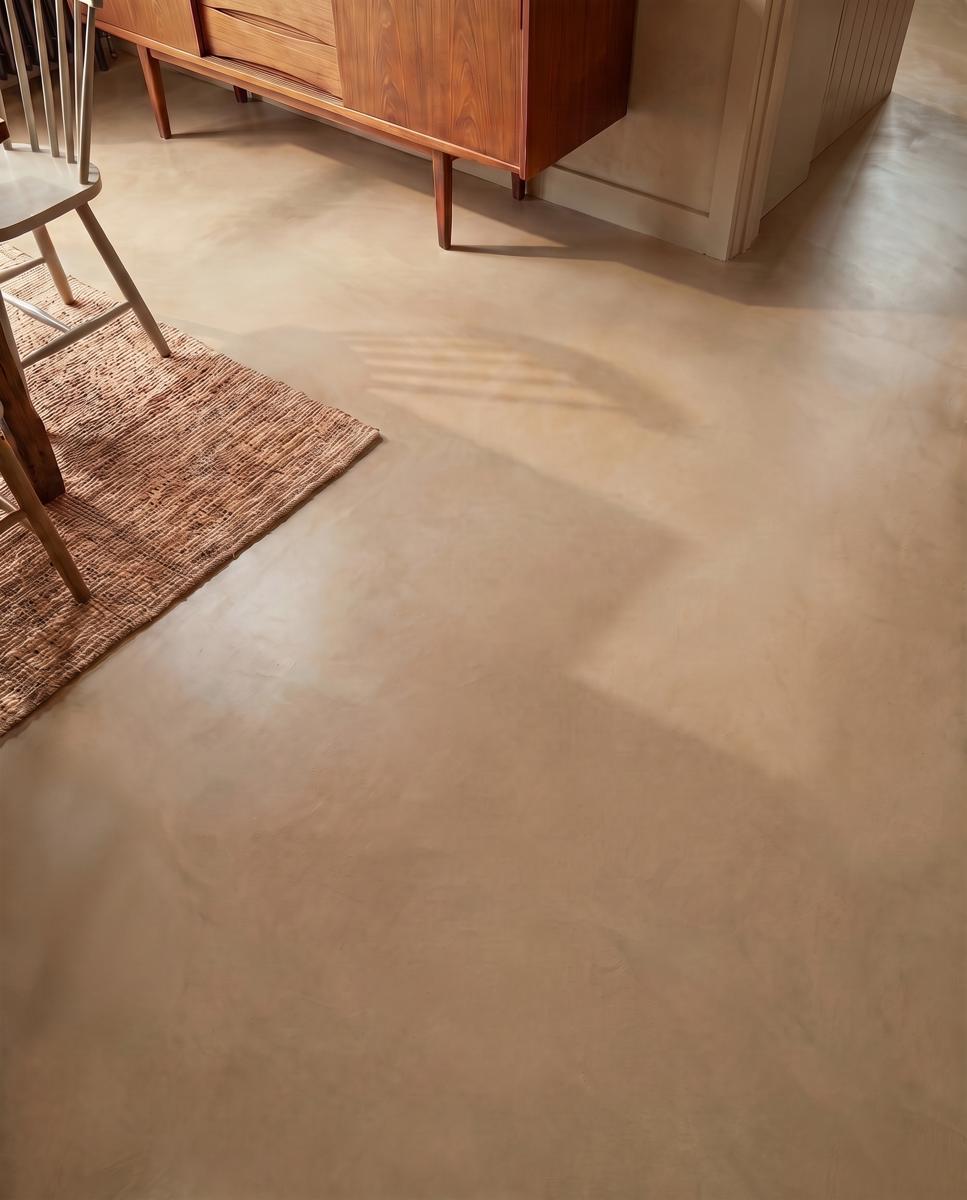
How much does microcement cost in Thailand?
The price is set by the room as much as the material. Here is what moves it, and what to check in a quote.
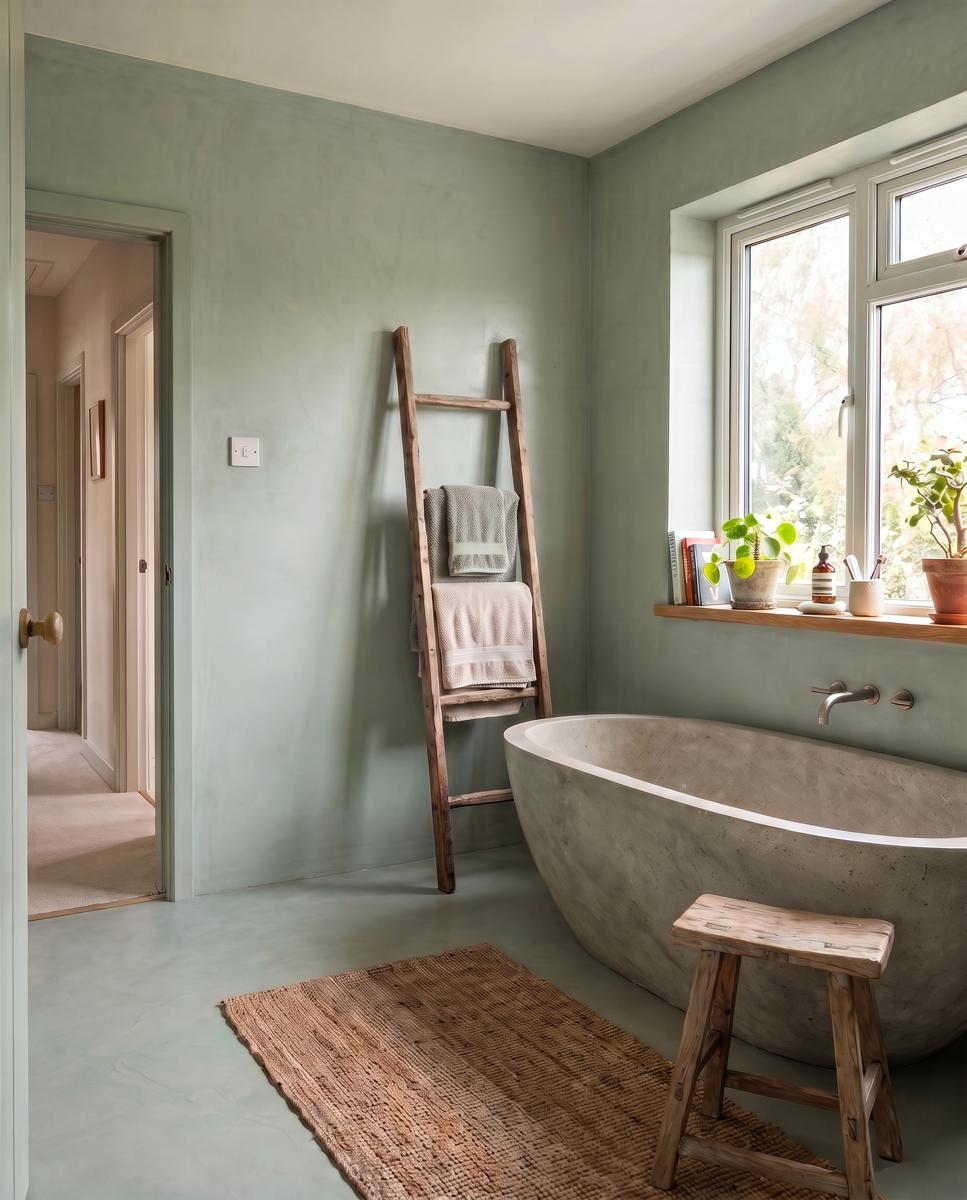
Microcement vs tile: which should you choose?
Each wins on different terms. The right answer depends on what is on the wall now and how the room is used.
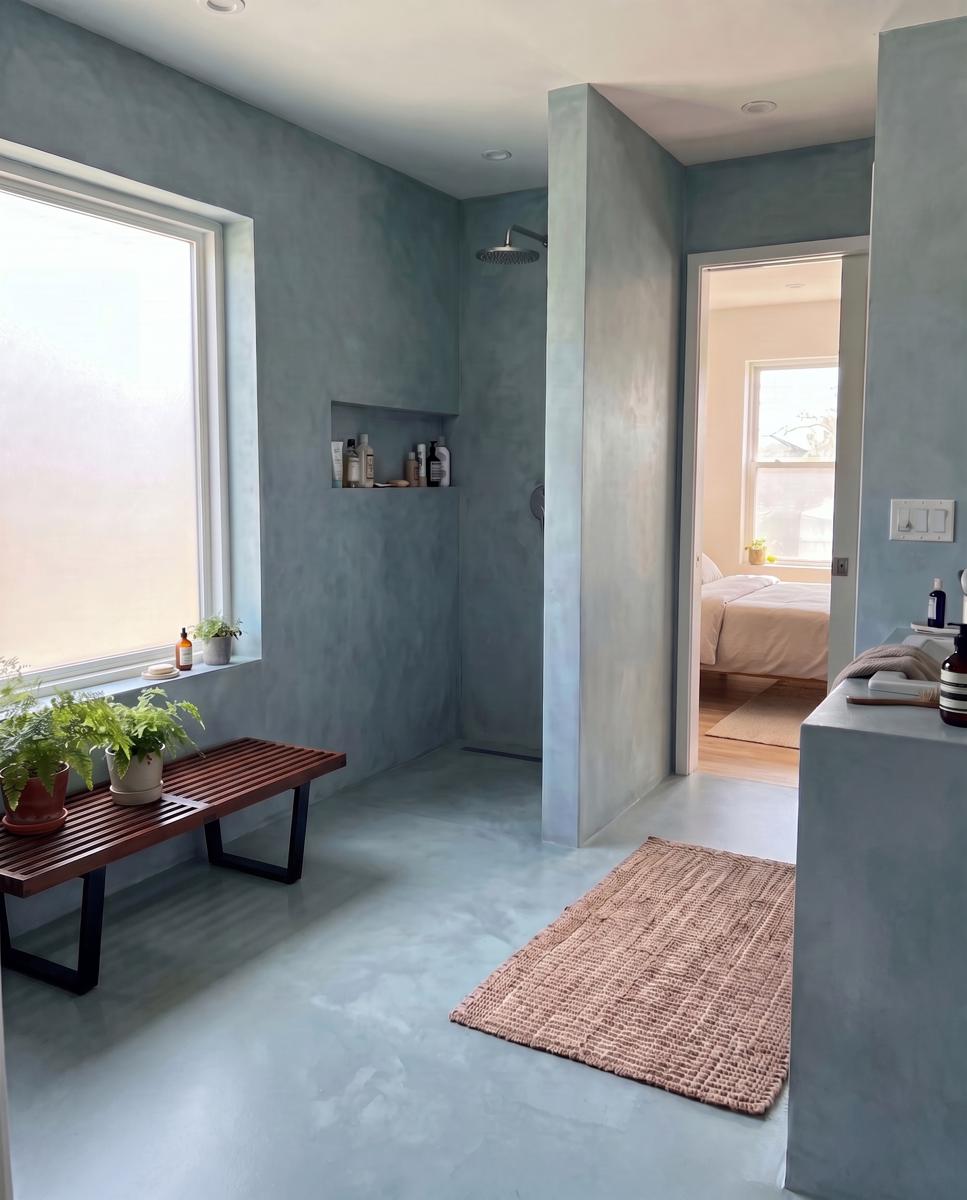
Can microcement go in a shower?
Yes, as part of a system. The microcement is the finish you see, and the waterproofing beneath it does the protecting.